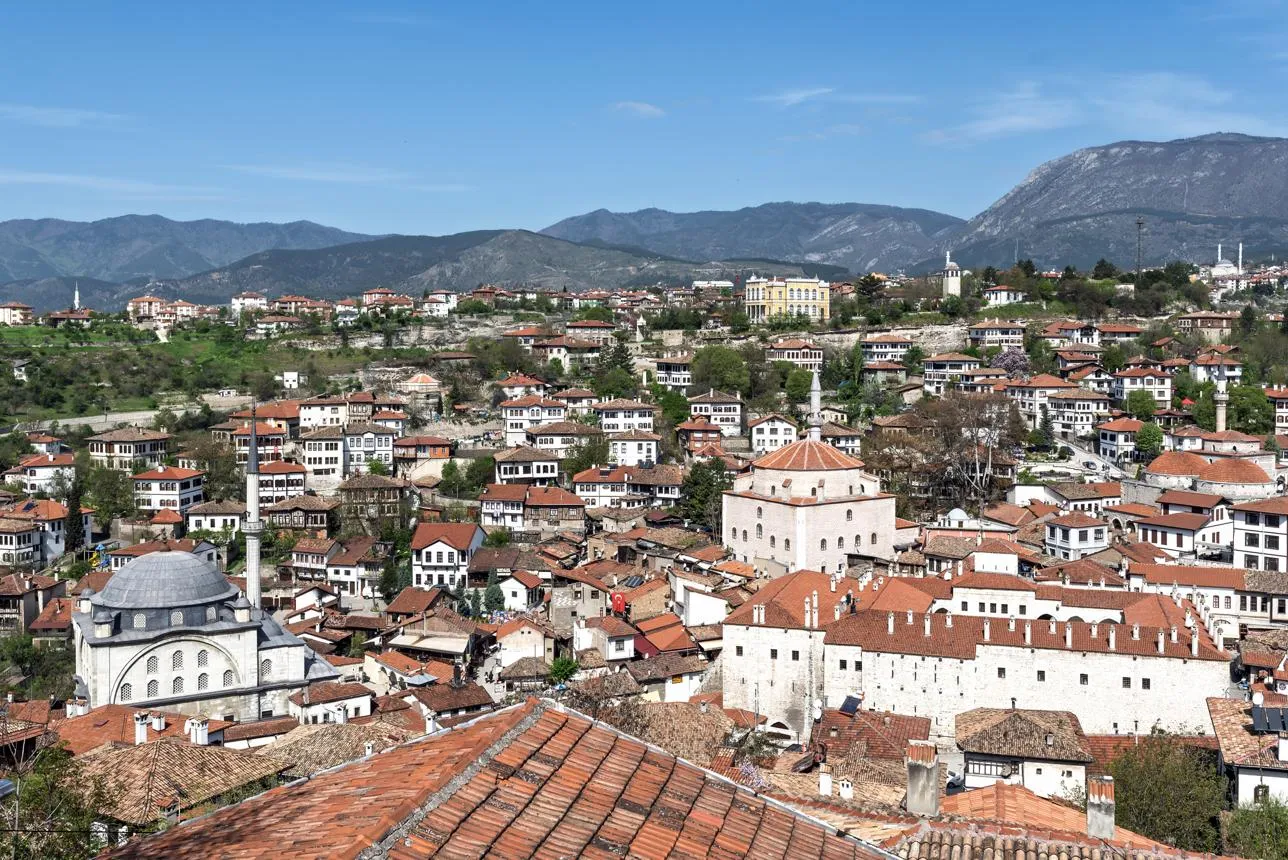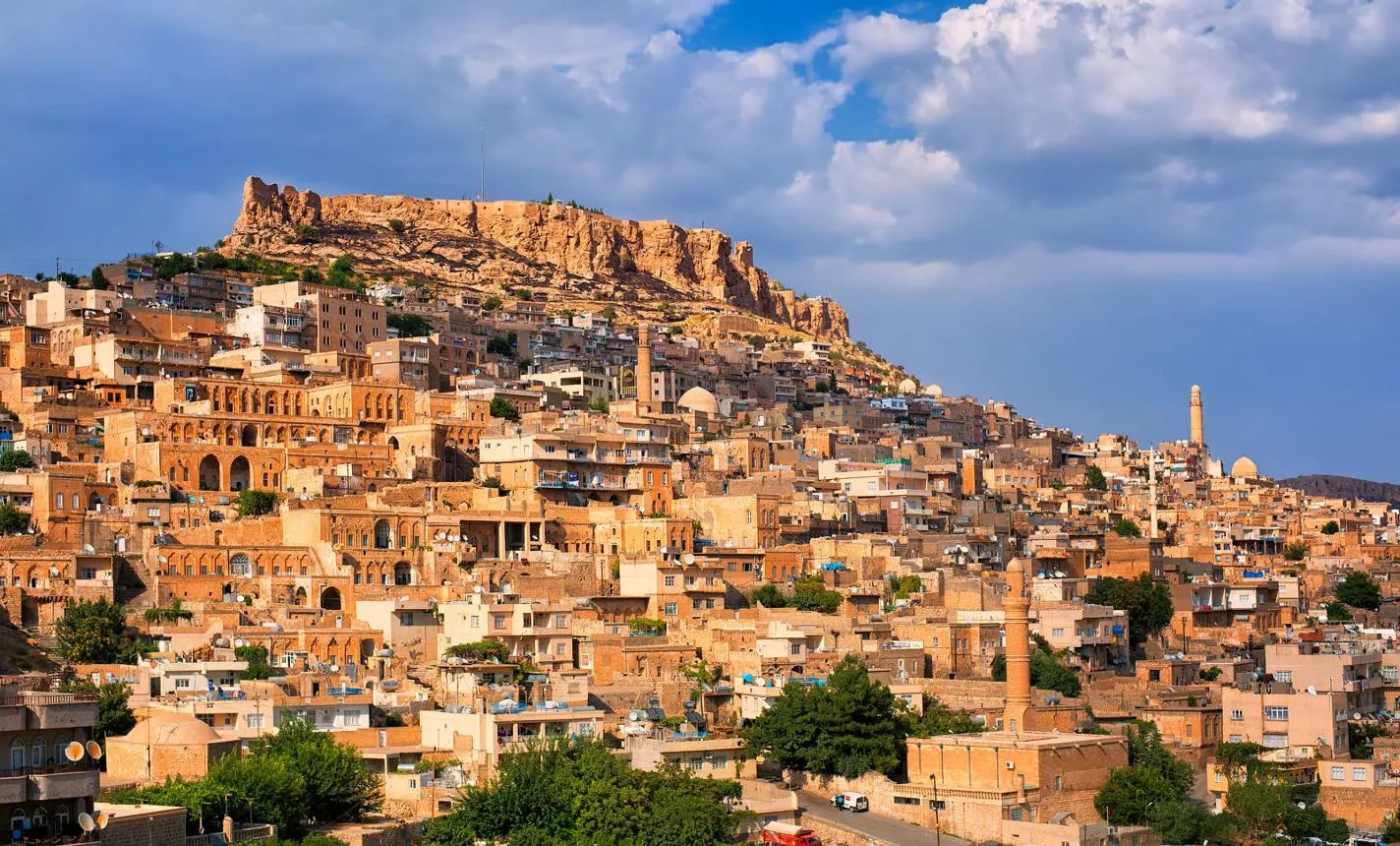
Mardin's honey-coloured stone houses climbing the hill below the citadel

Destination · Southeastern Anatolia

Mardin: a city of honey-coloured stone above Mesopotamia

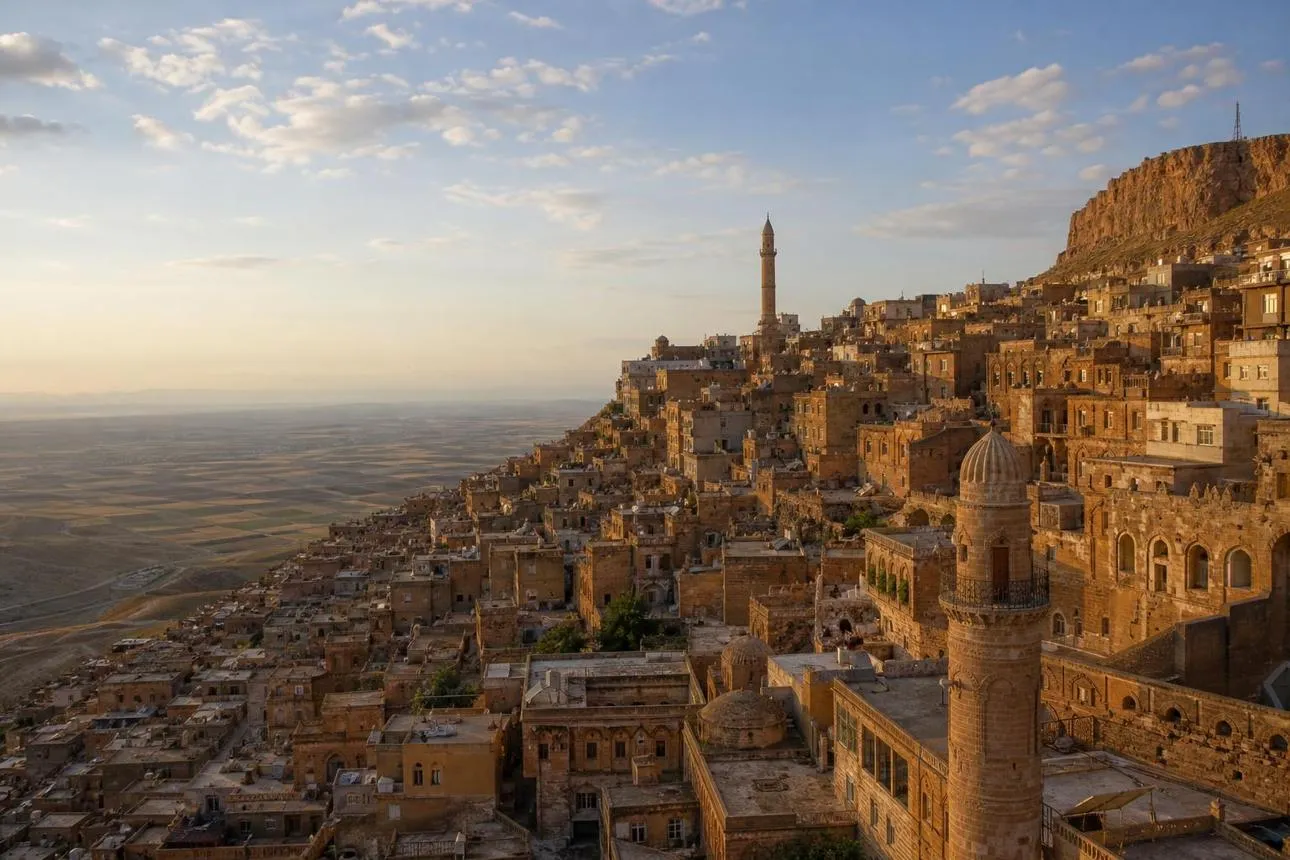
Mardin pours down its hillside like honey: terraces of golden limestone houses, minarets and church towers, one above the other, all looking out over the endless plain of Mesopotamia towards Syria. At sunset the whole city glows. Few places in Türkiye are as beautiful, or hold as many faiths and languages in so small a space.

Plan your Mardin trip

About Mardin

Where many faiths share one hillside

For a thousand years Mardin has been home to Muslims and Christians, Arabs, Kurds, Turks and Syriacs, whose ancestors spoke Aramaic, the language of Jesus, as some families still do today. The Artuqid Turks made it their capital in the 12th to 14th centuries and filled it with mosques and madrasas; the Syriac Orthodox Church kept its patriarchs at the nearby monastery of Deyrulzafaran for almost eight hundred years. Around it lies Tur Abdin, 'the mountain of the servants of God', dotted with ancient monasteries. Stay in a restored stone mansion, watch the sun set over the plain, and let the bells and the call to prayer mingle in the evening air.

Start planning
The old town of Mardin and the Mesopotamian plain stretching to the horizon at sunset

The old city

Mardin's stone streets, mosques and madrasas

The old town is built in terraces along the hill, connected by stairways and vaulted passages. Explore it on foot, slowly, with a guide who knows where the best views are.

Black SeaMediterranean SeaAegean SeaMardin
Where Mardin is in Türkiye. It combines easily with other destinations into one private route.
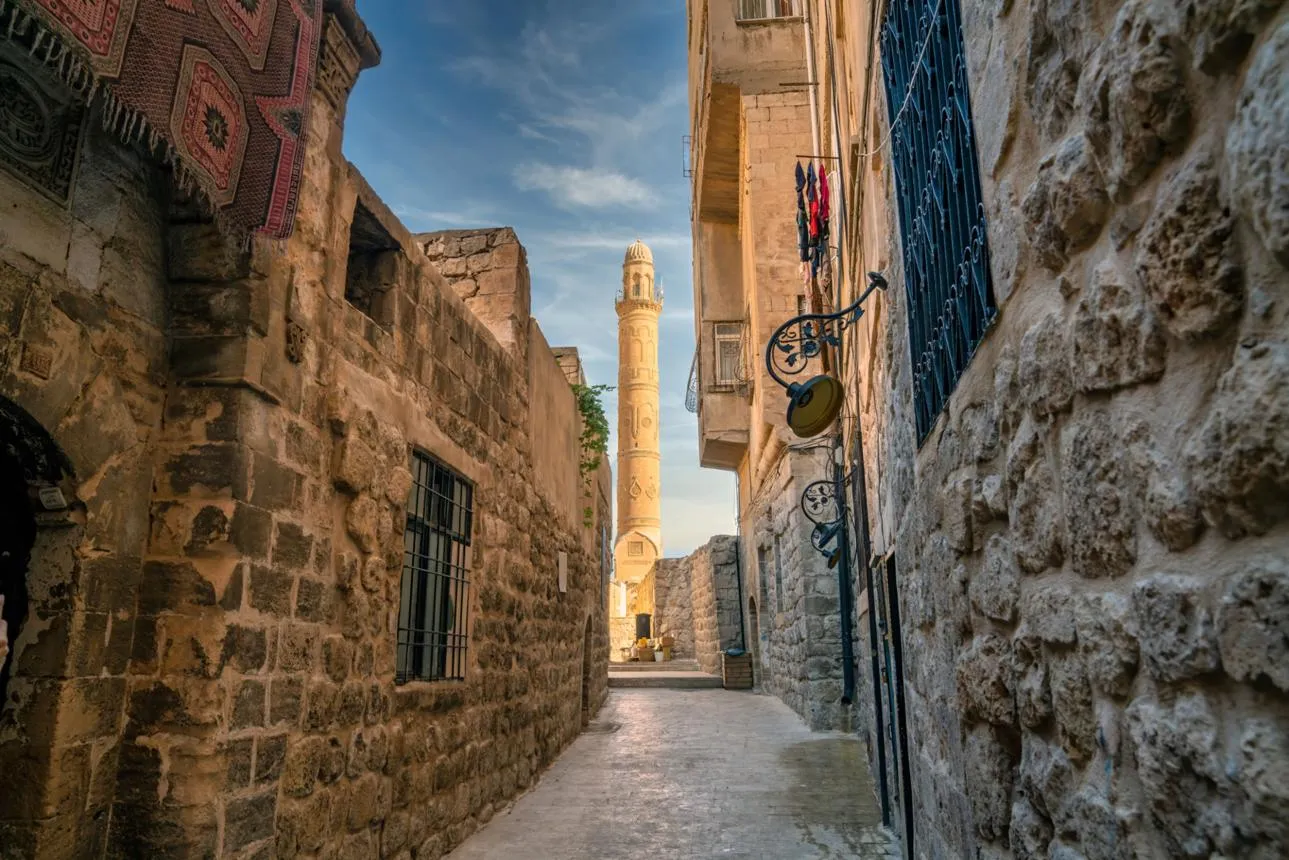
A narrow stone lane in Mardin's old town with the minaret of Ulu Cami at the end
The Old Town & Stone HousesBelow the citadel

Narrow lanes and stairways wind between mansions of carved limestone, with arched doorways, latticed windows and terraces looking out over the plain. Many houses have been restored as boutique hotels, cafés and galleries. Wander off the main street into the abbaras, the vaulted tunnels that pass beneath the houses, and you will find the quiet, everyday Mardin.
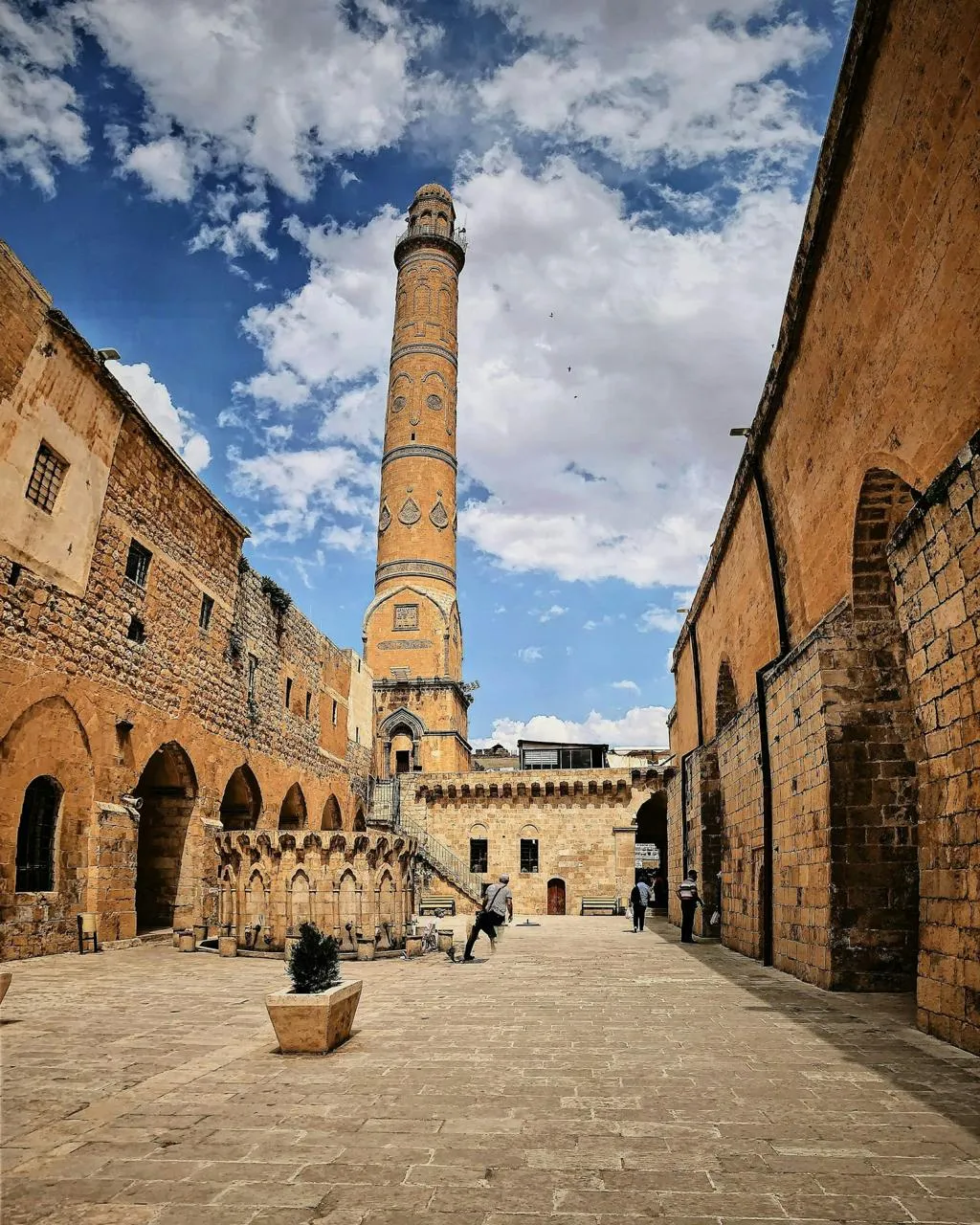
The tall minaret of Ulu Cami above a stone square in Mardin
Ulu Cami (Great Mosque)Old town

Mardin's Great Mosque was built by the Artuqids in the 12th century, and its tall, fluted minaret is the landmark of the old town. Step into the quiet stone courtyard, admire the ribbed dome and the inscriptions, and look up at the minaret, whose decoration has been restored many times over the centuries.

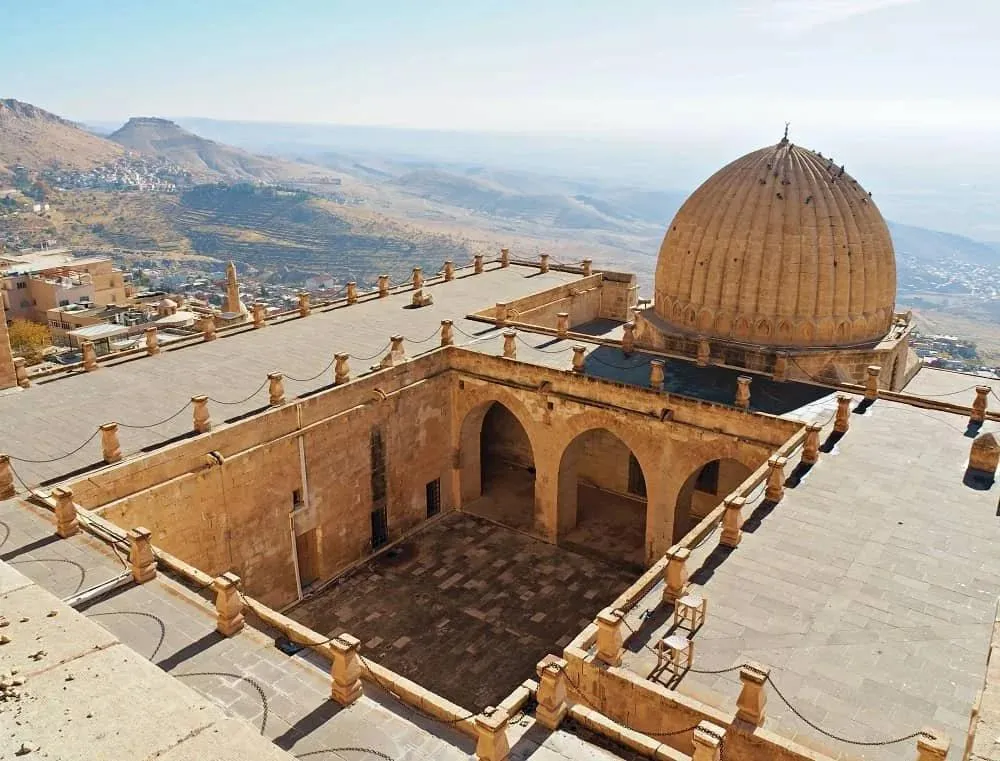
The ribbed dome and courtyard of the Zinciriye Madrasa above the city
Zinciriye MadrasaHigh in the old town

Built in 1385 by the Artuqid Sultan Isa, the Zinciriye Madrasa has a magnificent carved portal, two ribbed domes and a courtyard with a pool. Climb to its roof terrace for one of the finest views in the city, over the domes and rooftops to the plain of Mesopotamia far below.

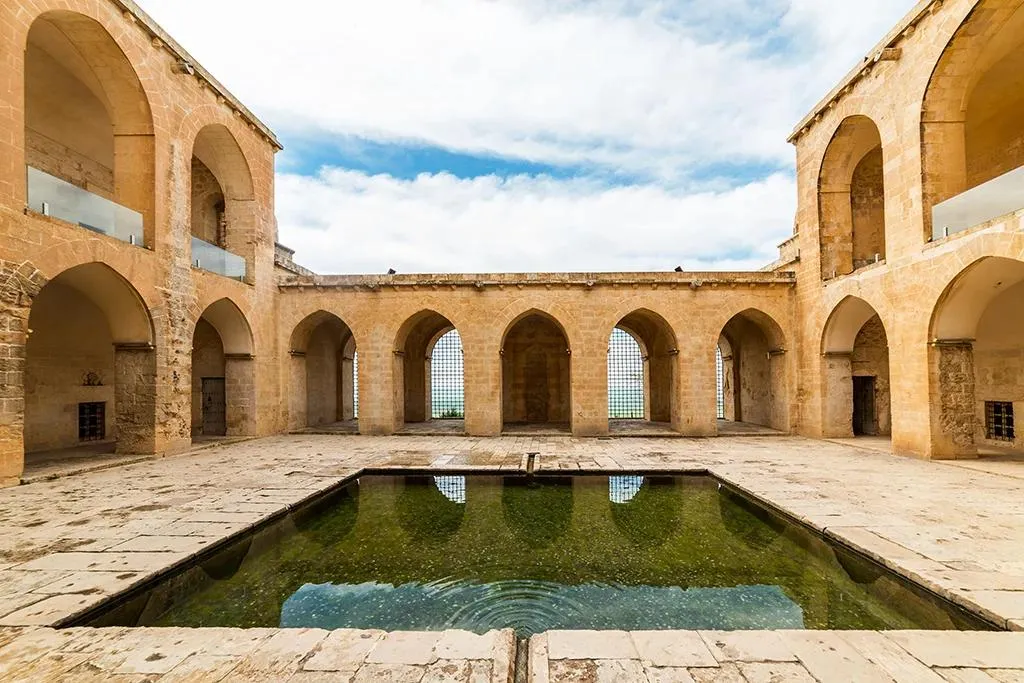
The arcaded courtyard and pool of the Kasımiye Madrasa
Kasımiye MadrasaBelow the old town

Begun under the Artuqids and completed by the Akkoyunlu ruler Kasım Bey in the 15th century, the Kasımiye is a masterpiece of quiet harmony. Water flows from a fountain along a channel into the courtyard pool, symbolising the journey of life from birth to death. Its arcades frame wide views of the plain.

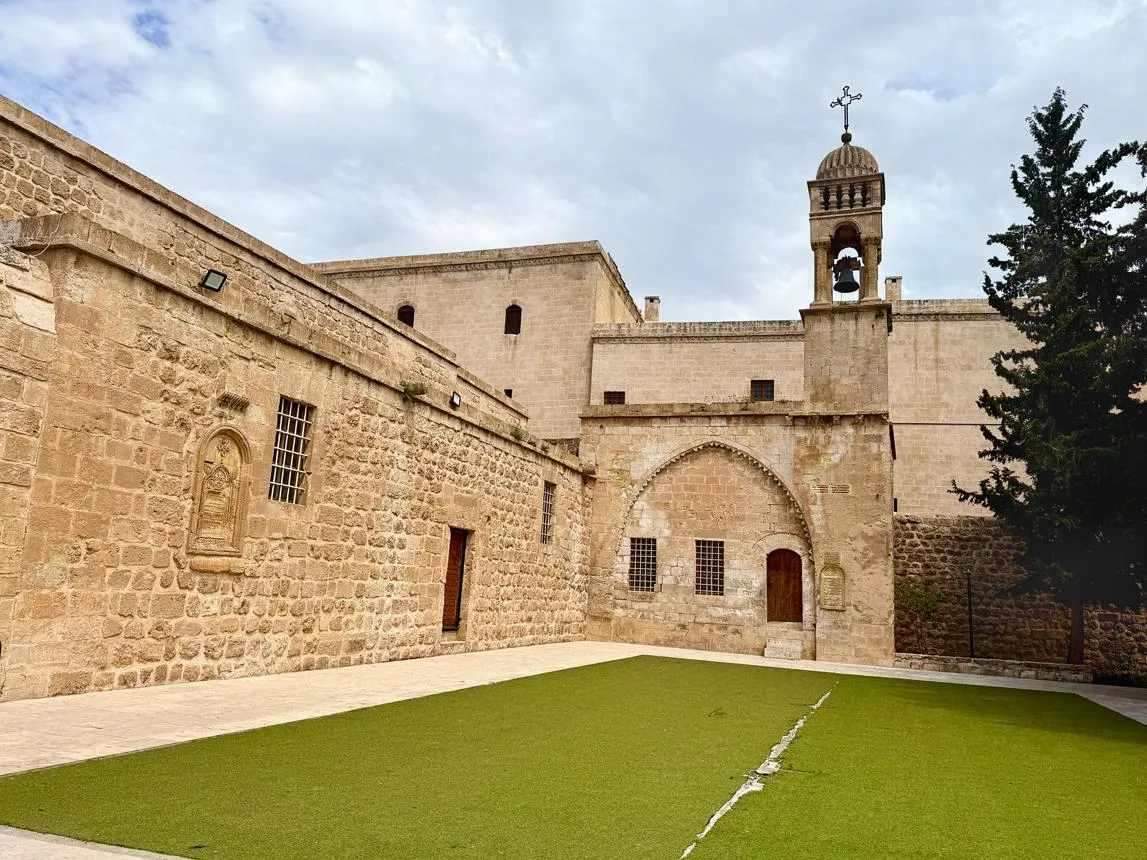
The stone walls and bell tower of Kırklar Church in Mardin
Kırklar Church (Mor Behnam)Old town

The Church of the Forty Martyrs dates back to the 6th century and is still the main Syriac Orthodox church of the old city, with services in Aramaic. Behind its plain stone walls lies a peaceful courtyard and a richly decorated interior. Visit outside service times and be respectful of the worshippers.

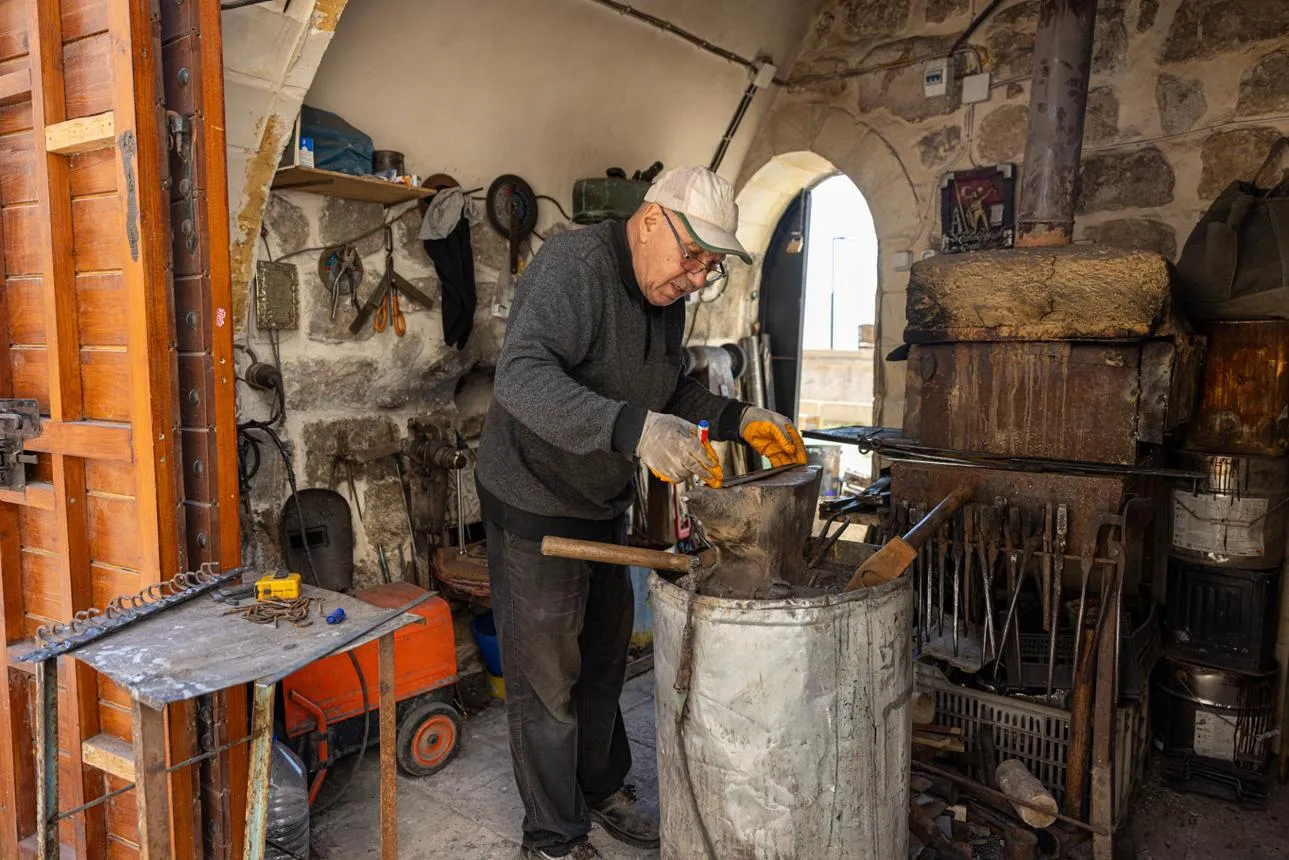
A blacksmith at work in his small workshop in Mardin's old bazaar
The Bazaar & CraftsAlong the main street

Below the main street, the old bazaar is still a working market: blacksmiths and saddlers hammer in tiny workshops, and stalls sell soaps made from bıttım, the wild pistachio, sugared almonds, spices and Mardin's famous silver filigree, telkari. A great place to meet the craftsmen and taste the city.

Beyond the old town

Deyrulzafaran, Dara, Midyat and Mor Gabriel

Outside the city walls lie a great museum, one of the oldest monasteries in the world, a vast Byzantine frontier city and the stone town of Midyat. Plan at least a day for them.

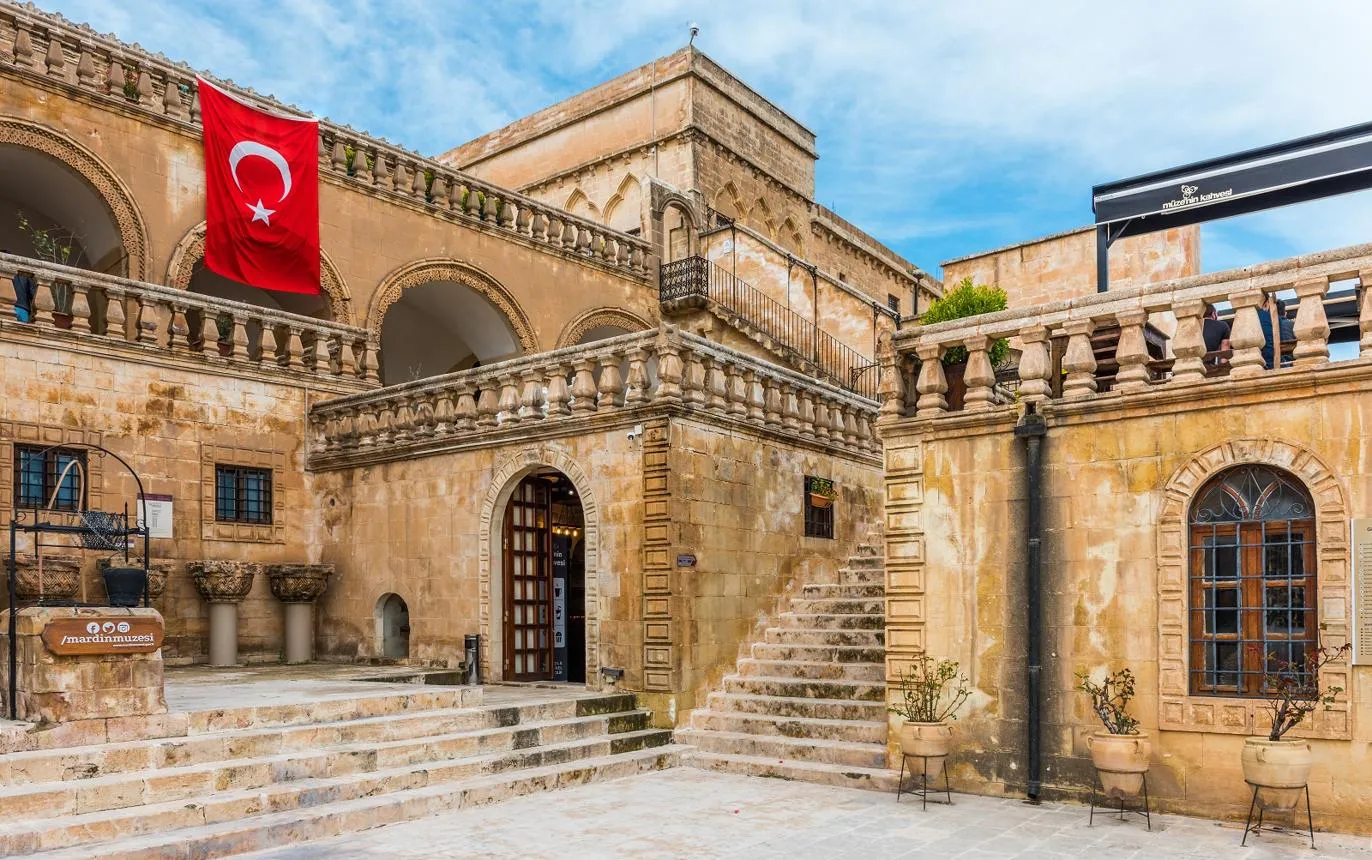
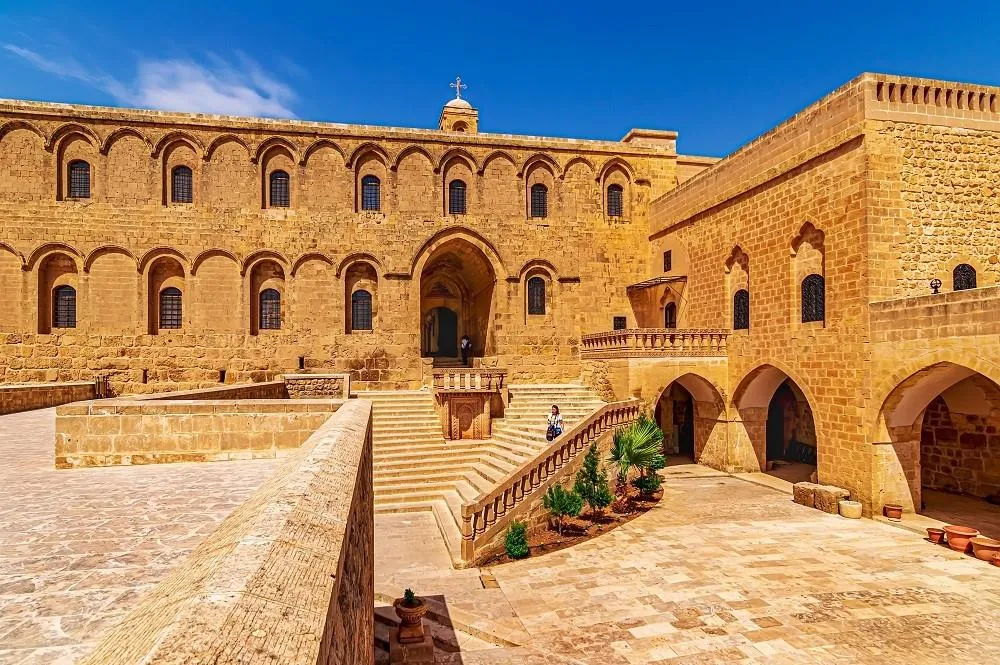
The stone courtyard, staircase and arches of the Mardin Museum
Mardin MuseumOld town

Housed in the elegant 19th-century former residence of the Syriac Catholic patriarch, the museum tells the story of the region from prehistoric times, with finds from local excavations, Assyrian and Roman pieces and objects from everyday life. A good first stop before the archaeological sites.

The arched façade and courtyard of Deyrulzafaran Monastery
Deyrulzafaran MonasteryAbout 6 km east of the city

Built on the site of an ancient sun temple, this golden-stone monastery was the seat of the Syriac Orthodox patriarchs from the 12th century until 1932. Its name means 'the saffron monastery', for the colour of its stone. Monks still live here and services are held in Aramaic. Walk through the underground sanctuary of the old temple, the church and the patriarchs' thrones.

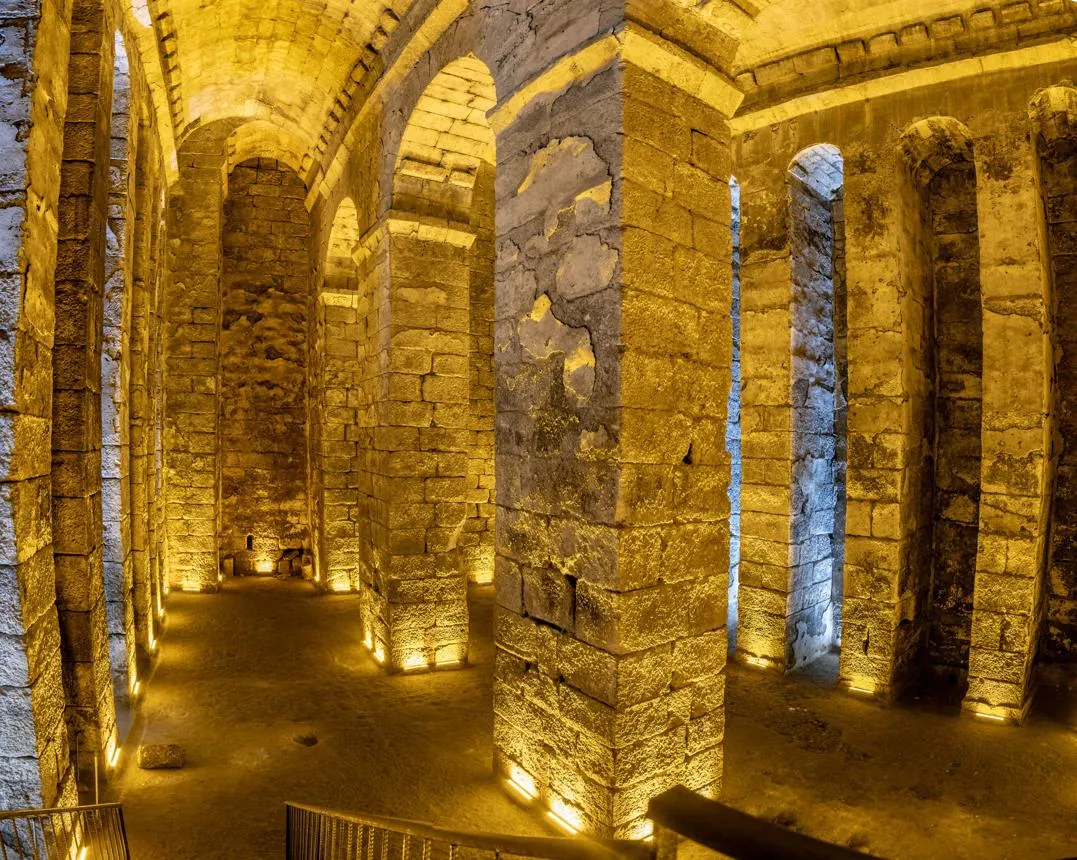
The lit stone arches of the great underground cistern at Dara
Dara Ancient CityAbout 30 km southeast

Founded in AD 505 by the Byzantine emperor Anastasius as a fortress on the frontier with Persia, Dara once had huge walls, palaces and churches. Today its most impressive remains are underground: vast cisterns with soaring arches, and a necropolis of rock-cut tombs. A rewarding stop for anyone curious about ancient engineering.

A stone arcade and church towers in the old town of Midyat
MidyatAbout 1 hour east

The heart of Tur Abdin, Midyat is a town of grand limestone mansions with carved façades, church towers and courtyards, many used as film sets. Its silversmiths are famous for telkari, delicate filigree jewellery. Visit the church of Mor Şmuni and the restored mansions, then shop for silver in the bazaar.

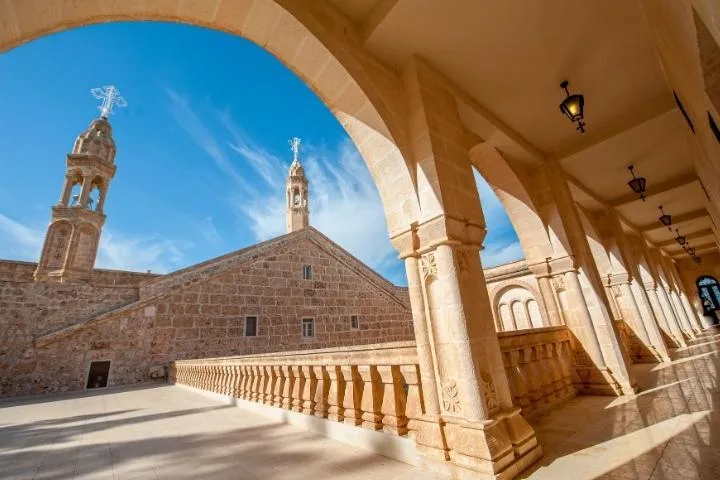
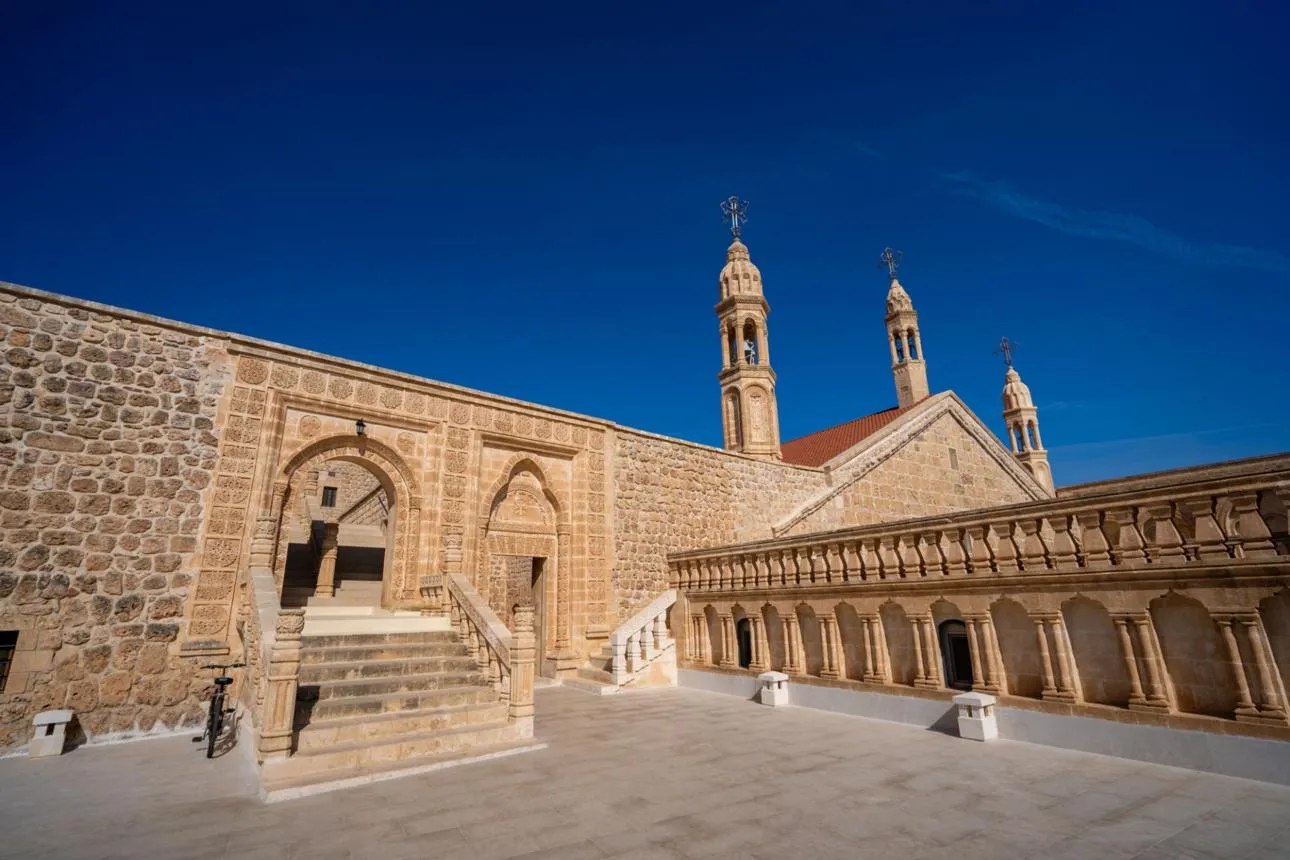
The stone courtyard, bell towers and arcades of Mor Gabriel Monastery
Mor Gabriel MonasteryNear Midyat

Founded in AD 397, Mor Gabriel is one of the oldest active Christian monasteries in the world and the seat of the Archbishop of Tur Abdin. Monks and nuns still live and teach here, keeping alive a tradition of more than sixteen centuries. Visits are possible at set hours; dress modestly and keep your voice low.

Experiences

Things to do in Mardin

Every private Mardin tour can mix these experiences in any order, at your own pace.

Walk the stone city

Lanes, vaulted passages, courtyards and terraces, and how the city was built for its hill and climate.

Syriac Christian heritage

Deyrulzafaran, Mor Gabriel and the old churches, and a faith that has lived here since the first centuries.

Artuqid architecture

Mosques and madrasas, carved stone portals and the medieval history of the region.

Silver filigree & crafts

Midyat's telkari workshops and the bazaar's blacksmiths, soap makers and spice sellers.

The cuisine of Mardin

Ikbebet, sembusek, stuffed lamb ribs, bitter mırra coffee and Syriac wine.

Trip length

How many days should you spend in Mardin?

One day covers the old town, but we recommend two or three: one for Mardin, one for Deyrulzafaran and Dara, and one for Midyat and Mor Gabriel.

  1. 1 day

    Mardin old town

    The old city, Ulu Cami, Zinciriye, the bazaars and the best viewpoints.

  2. 2 days

    Mardin & its faiths

    The old town at a relaxed pace, Deyrulzafaran, the museum and more churches.

  3. 3 days

    Mardin, Dara & Midyat

    Add Dara's cisterns and the mansions and silver workshops of Midyat.

  4. 4+ days

    Tur Abdin

    Mor Gabriel and the villages and monasteries of the plateau, or on to Şanlıurfa.

Good to know

Mardin travel tips

Best time to visit

Spring (March to May) and autumn (September to November) are the best seasons for walking the old town and visiting the monasteries. Summer is very hot, so plan outdoor visits early. Winter is cool and quiet, with occasional cold spells and even snow.

Getting there

Mardin Airport, about 20 km from the old town, has direct flights from Istanbul and Ankara. By road, Diyarbakır is about 1.5 hours away and Şanlıurfa around 2.5 to 3 hours, so Mardin combines naturally with Göbekli Tepe.

Visiting monasteries & churches

Deyrulzafaran, Mor Gabriel and the churches are living places of worship. Dress modestly, check visiting hours, keep quiet during services and ask before taking photographs of people.

Tailor-made for you

Private Mardin tours we can plan

Architecture, archaeology, Christian heritage and local culture: every tour is built around your interests, your dates and your pace.

Let's plan your holiday

Plan your private Mardin tour

From the honey-coloured streets of the old city to the ruins of Dara and the monasteries of Tur Abdin: tell us your dates and interests, and we will plan a private itinerary and email it with a price.

  1. 1
    Tell us your wishes

    Choose the places you would love to see, how many of you are travelling and for how long.

  2. 2
    Receive your itinerary

    We write a private programme just for you and email it with a personal price.

  3. 3
    Shape it together

    Change anything you like. We refine the programme with you until it feels just right.

Which places would you like to see?

Mix and match freely: pick places from as many themes as you like.

The old city
Beyond the old town
Experiences

Free and without obligation. We reply by email within 24 hours.

Our tour categories

From history and faith to hidden villages and the coast, find the journey that suits you. Every one can include Mardin.

Keep exploring

Explore other destinations

All destinations
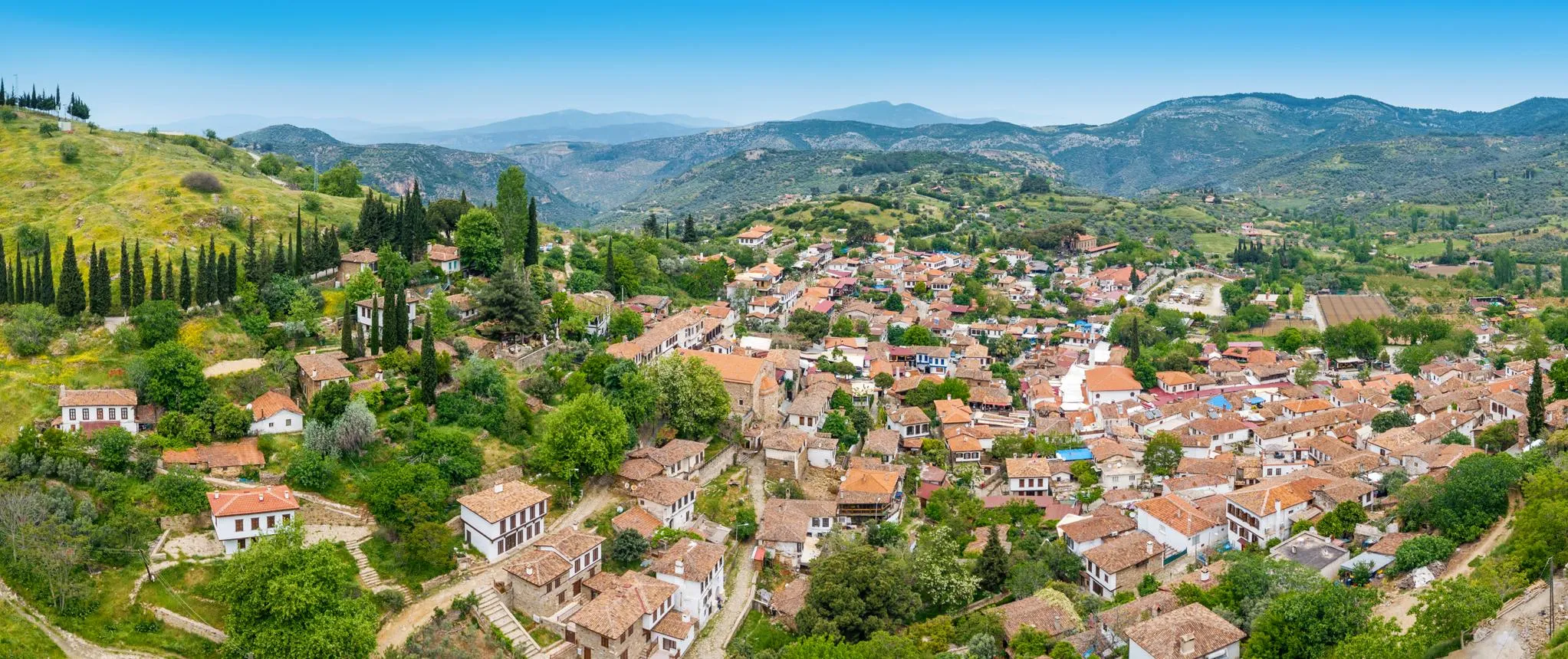
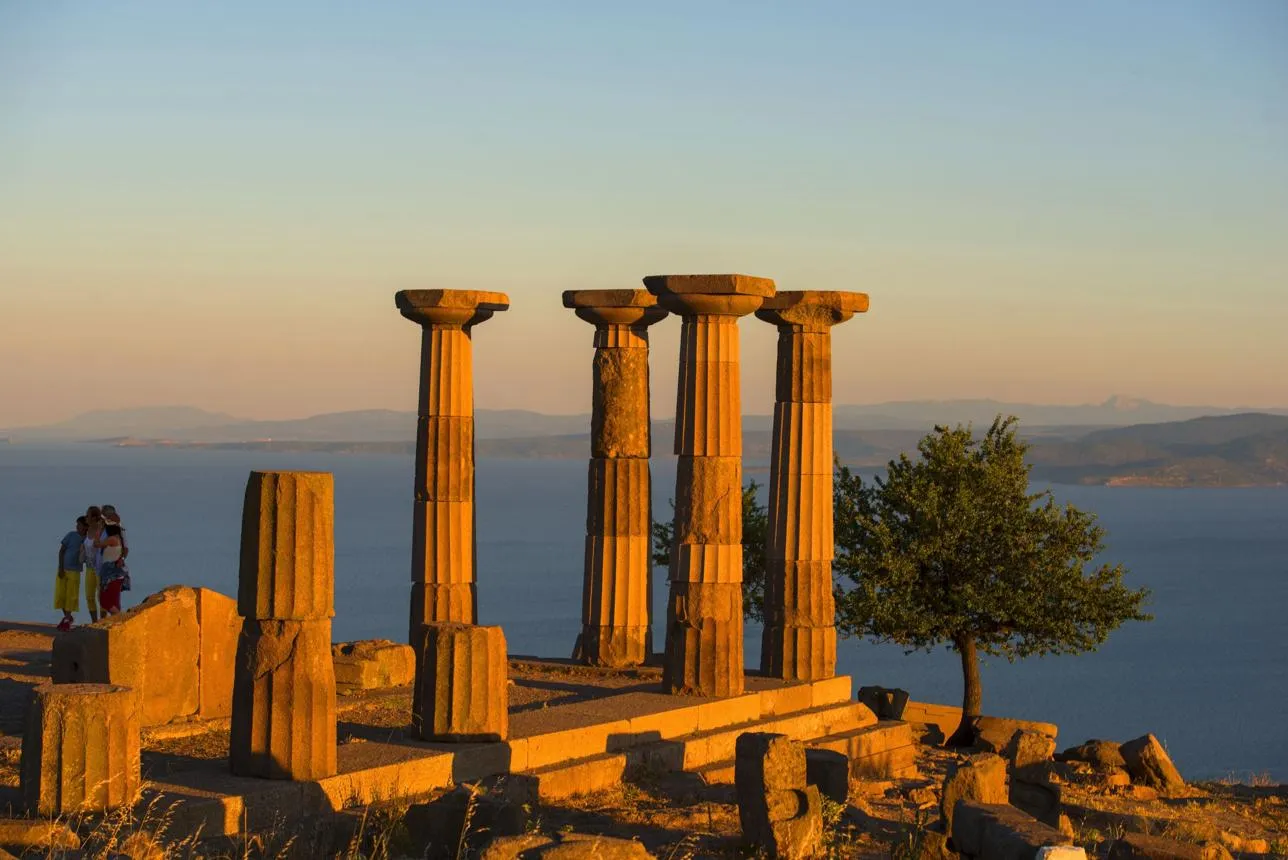
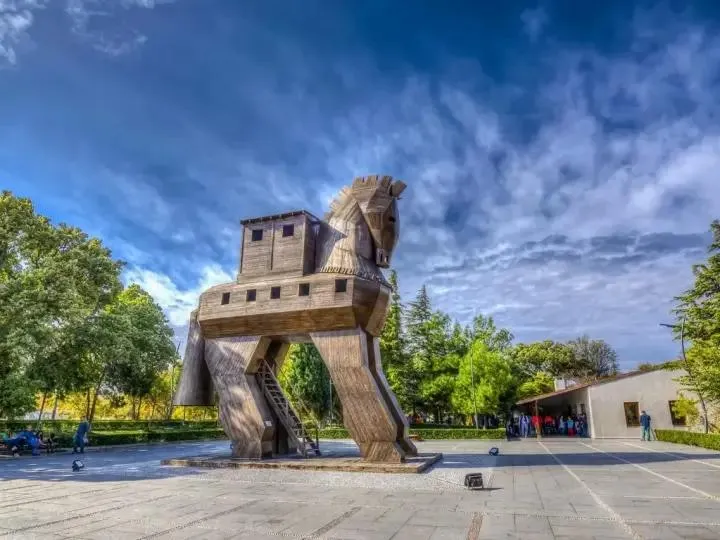
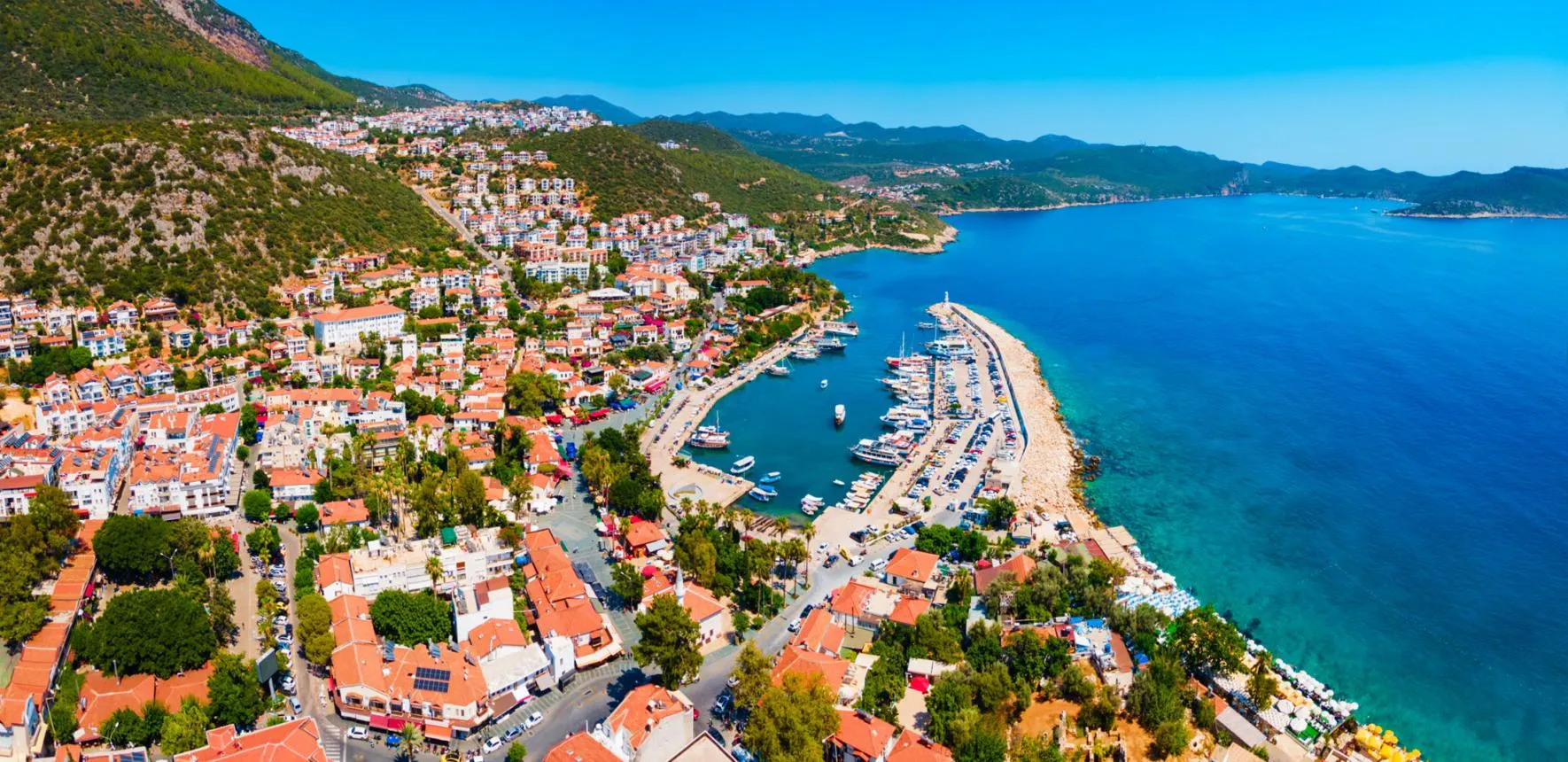
IstanbulMarmaraCappadociaCentral AnatoliaEphesusAegean coastPamukkaleAegean regionAntalyaMediterranean coastBodrumAegean coastŞirinceAegean hillsAssosNorth AegeanGallipoli & TroyDardanellesKaş & KekovaLycian coastFethiyeLycian coastDalyanMuğla coastAnkaraCentral AnatoliaKonyaCentral AnatoliaSafranboluBlack Sea regionŞanlıurfa & Göbekli TepeSoutheastern Anatolia
Mount NemrutSoutheastern Anatolia

Ready to explore Mardin?

Discover Mardin your way

A remarkable journey through the cultures and histories of Upper Mesopotamia, on its own or combined with Şanlıurfa and Mount Nemrut, planned around your interests, your dates and your pace.

Plan your trip