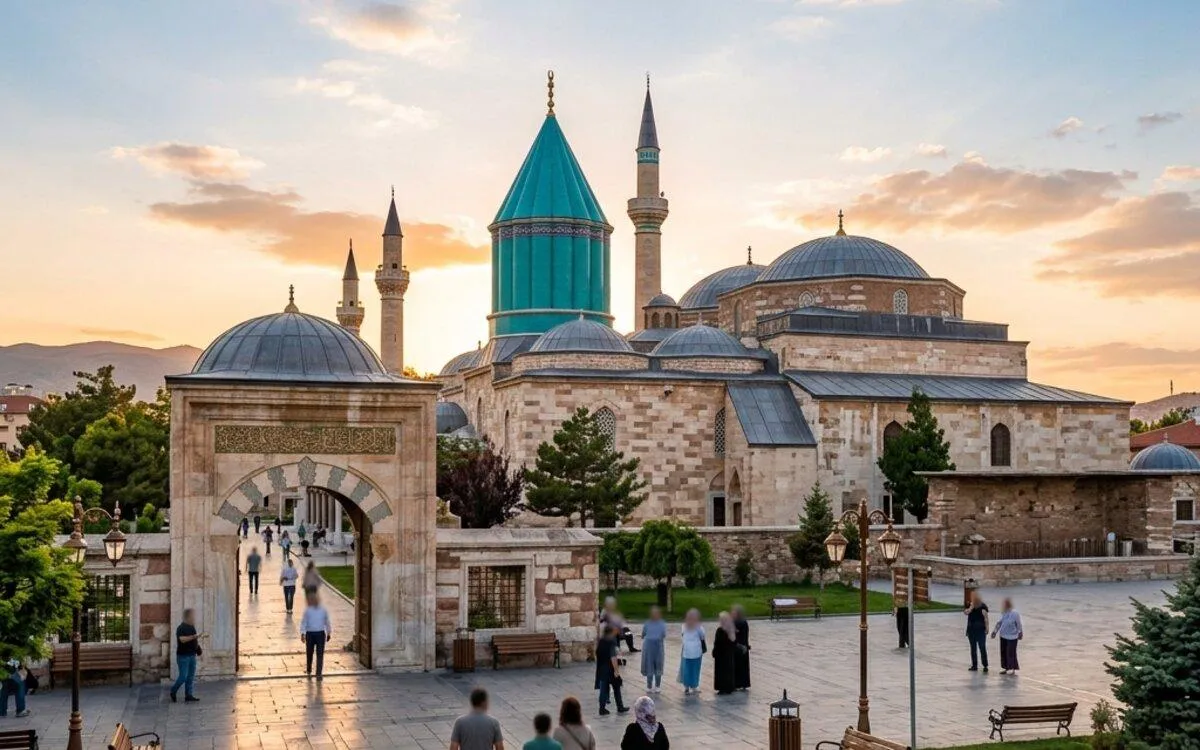
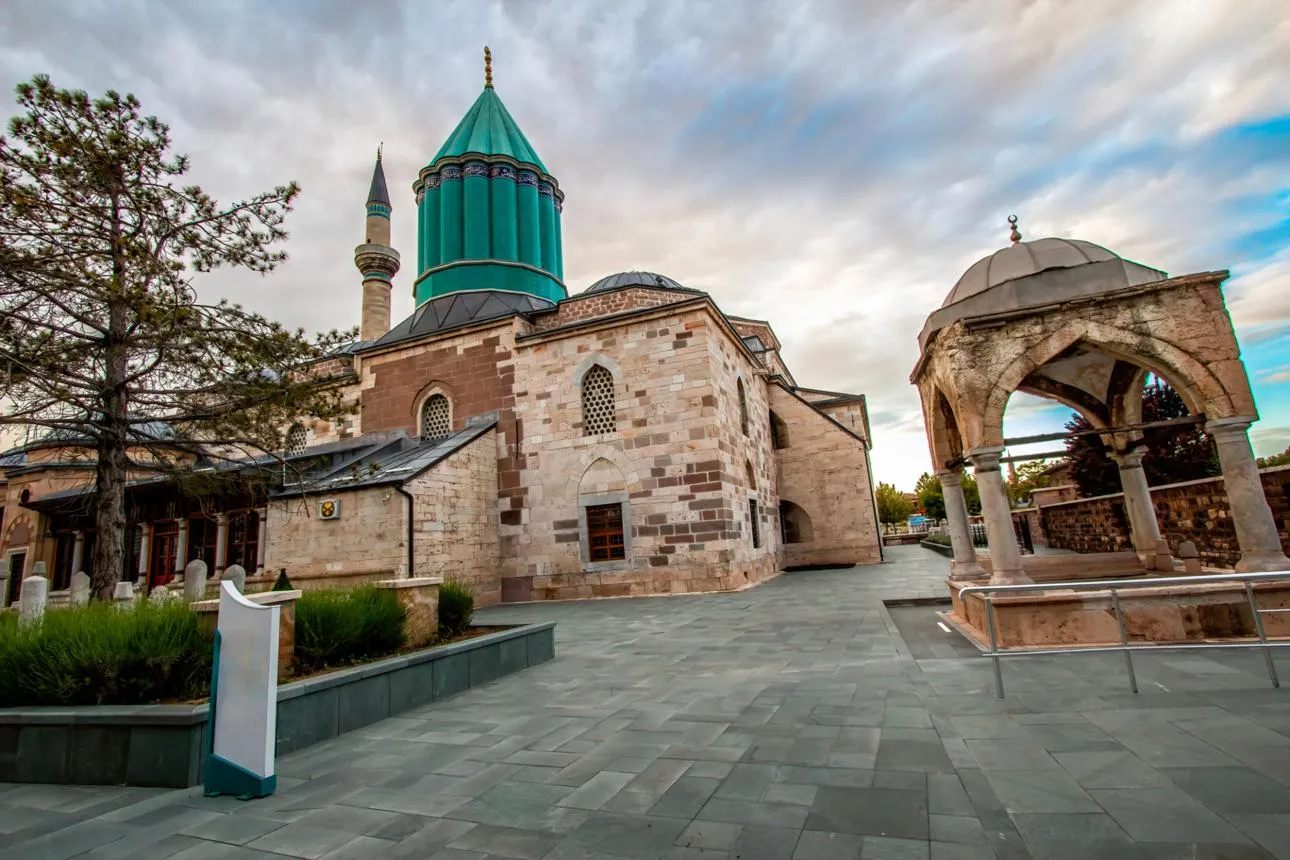
The turquoise dome of the Mevlana Museum in Konya at sunset

Destination · Central Anatolia

Konya: Rumi, Seljuk masterpieces and the dawn of civilisation

Come, come, whoever you are, wanderer, worshipper, lover of leaving, it does not matter: so begins a poem long attributed to Rumi, and for eight centuries people have come to Konya to visit his tomb. Around it lies the old Seljuk capital, with tiled domes and carved stone portals, and beyond it, on the plain, one of the oldest towns in the world.

Plan your Konya trip

About Konya

A city of poets, sultans and the first farmers

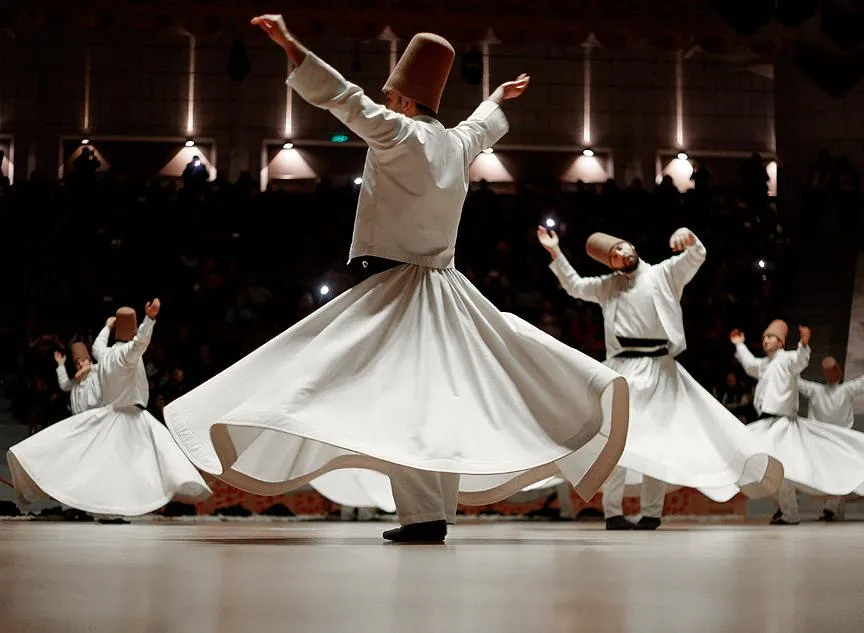
Konya was ancient Iconium, where St Paul preached on his first journey. In the 12th and 13th centuries it became the capital of the Seljuk Sultanate of Rum and one of the great cultural cities of the Islamic world, and it was here that Jalāl al-Dīn Rumi, born in Balkh in 1207, wrote the Masnavi and inspired the Mevlevi order of whirling dervishes. The city is deeply devout and wonderfully calm, a different side of Türkiye. Come to understand Rumi, stay for the art of the Seljuks, and drive out across the plain to Çatalhöyük, where people lived 9,000 years ago.

Start planning
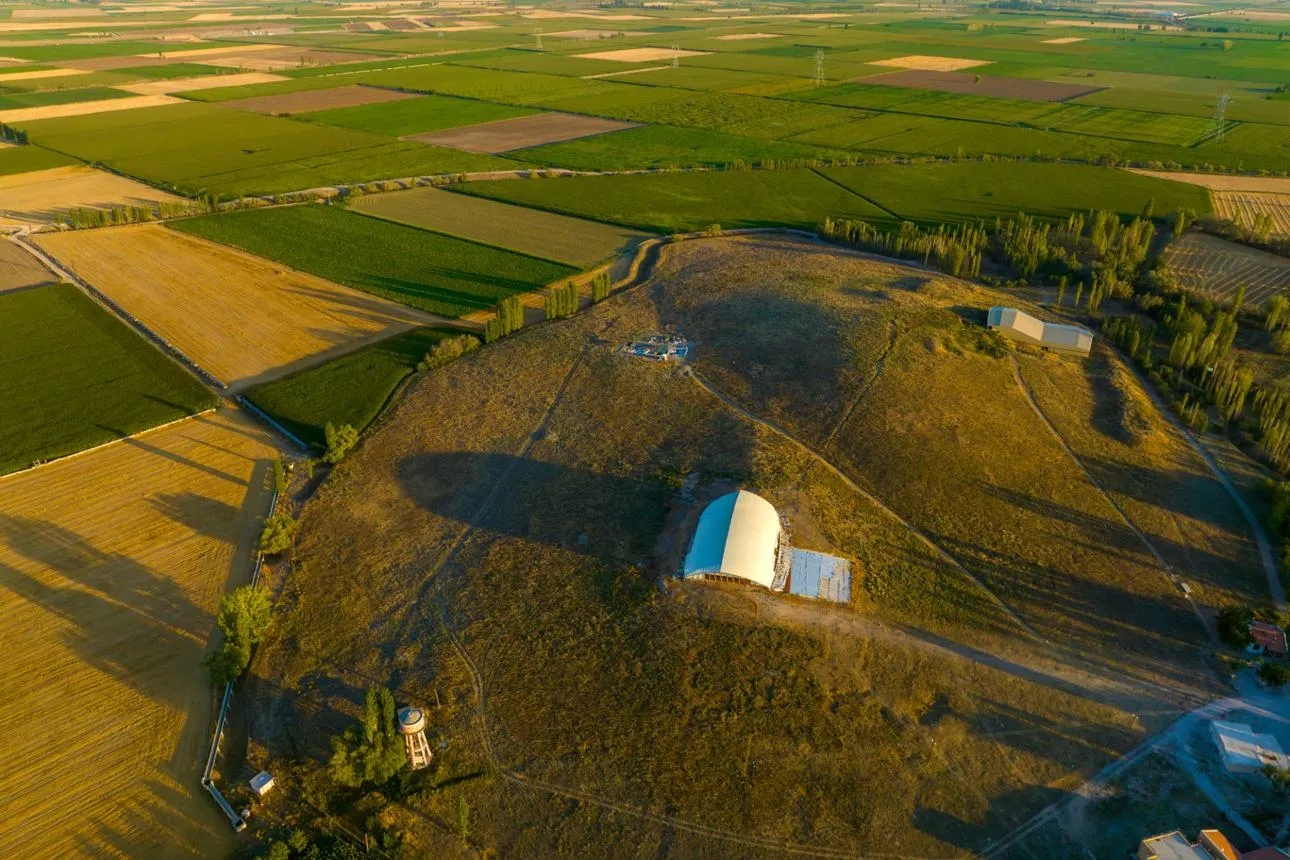
Aerial view of the Çatalhöyük mound and its shelters among green fields

Rumi & the Seljuk city

The Mevlana Museum and Seljuk Konya

The great sights are a short walk apart in the centre, between the Mevlana Museum and Alaeddin Hill. One full day with a guide covers them well.

Black SeaMediterranean SeaAegean SeaKonya
Where Konya is in Türkiye. It combines easily with other destinations into one private route.
The courtyard, fountain and turquoise dome of the Mevlana Museum
Mevlana Museum & MausoleumCity centre

Under the fluted turquoise dome rests Rumi, who died on 17 December 1273, beside his father and his followers. The former dervish lodge around it holds precious Masnavi manuscripts, musical instruments, dervish cells and a casket said to contain a hair from the beard of the Prophet. It is one of the most visited museums in Türkiye, and a place of real devotion: dress modestly and move quietly.
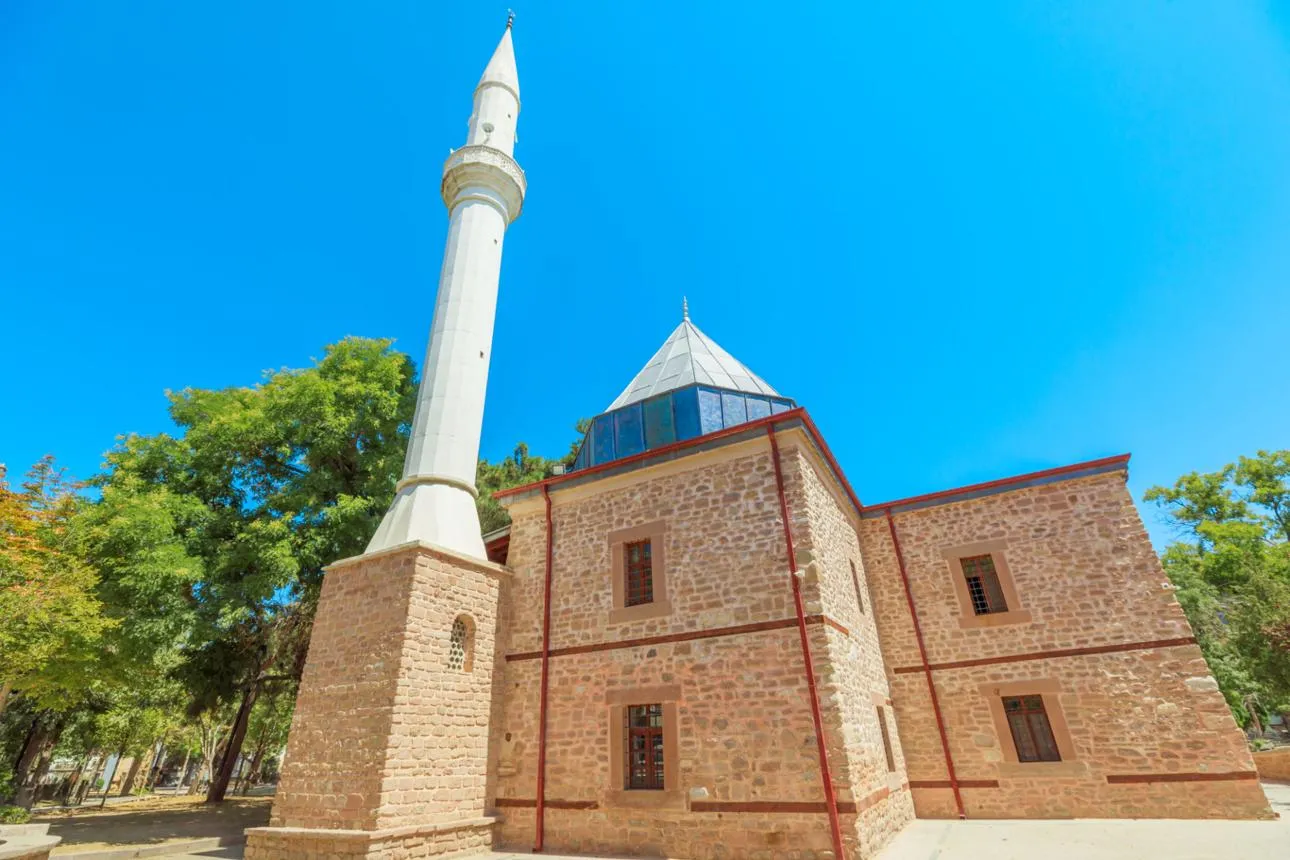
The stone mosque and white minaret of Şems-i Tebrizi among trees
Şems-i Tebrizi Mosque & TombNear the Mevlana Museum

In 1244 Rumi met the wandering dervish Shams of Tabriz, and the friendship changed his life and his poetry; when Shams vanished a few years later, grief turned Rumi into one of the greatest poets in history. This small mosque and tomb honours Shams. Visit it together with the Mevlana Museum to follow the story.

The Alaeddin Mosque and the conical tomb of the Seljuk sultans
Alaeddin Mosque & HillCity centre

On the mound at the heart of Konya, the Alaeddin Mosque was completed in 1221 under Sultan Alaeddin Keykubad I, the greatest of the Seljuk rulers. Inside, a forest of reused Roman and Byzantine columns supports the roof, and the conical tombs of eight sultans stand in the courtyard. The green hill around it is the city's favourite park.

The tiled dome of the Karatay Madrasa with its star patterns in turquoise
Karatay & İnce Minareli MadrasasAround Alaeddin Hill

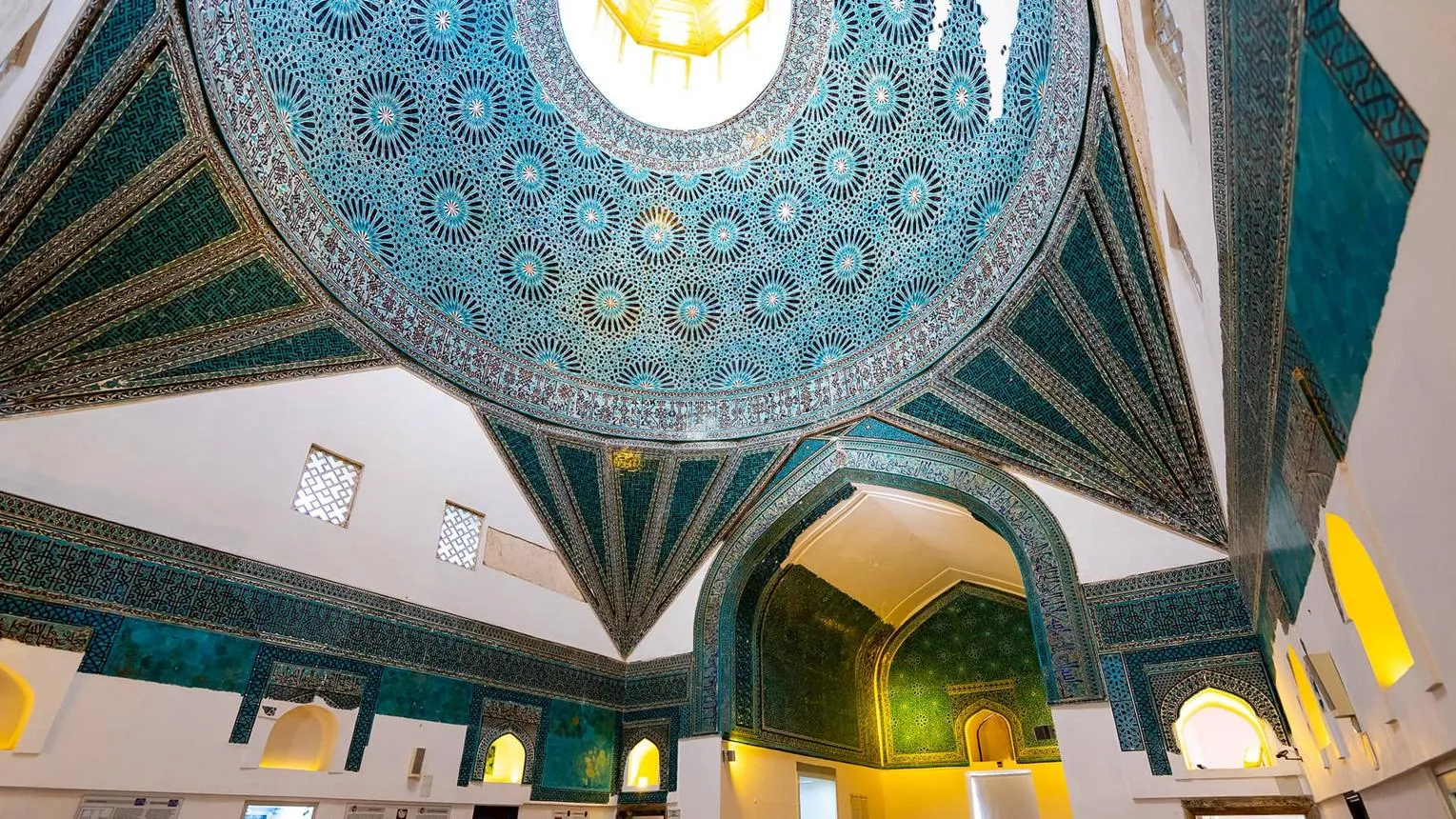
Built in 1251, the Karatay Madrasa has a dome covered in turquoise and black tiles that glows like a starry sky; today it is a museum of Seljuk tiles. Across the hill, the İnce Minareli Madrasa of 1264 has one of the most extraordinary carved stone portals in Anatolia and houses the museum of stone and woodwork. Together they show Seljuk art at its finest.

Shops and shoppers in Konya's old bazaar beside the minaret of the Aziziye Mosque
Aziziye Mosque & the BazaarHistoric market

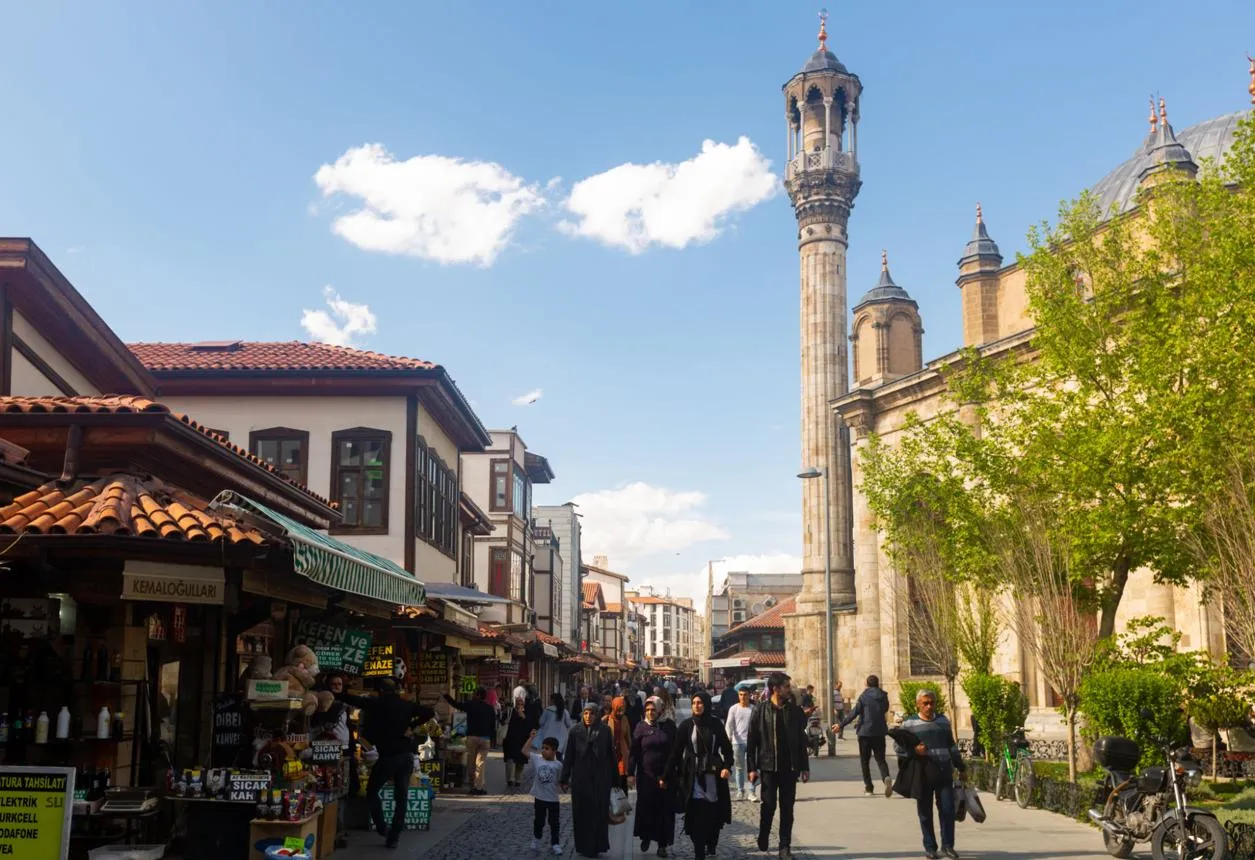
The late-Ottoman Aziziye Mosque, rebuilt in 1874, surprises with its baroque details and minarets topped with little balconies. Around it spreads the old bazaar, full of spice sellers, copper shops and Konya's famous Mevlana sugar sweets: the place to see the everyday life of the city.

Beyond the city

Çatalhöyük, Sille, Kilistra and Beyşehir

On the plain and in the hills around Konya lie some of the oldest and most unexpected places in Türkiye. Each is best as its own excursion.

Excavated mud-brick houses of Çatalhöyük under the protective shelter
ÇatalhöyükÇumra · About 45 minutes from Konya

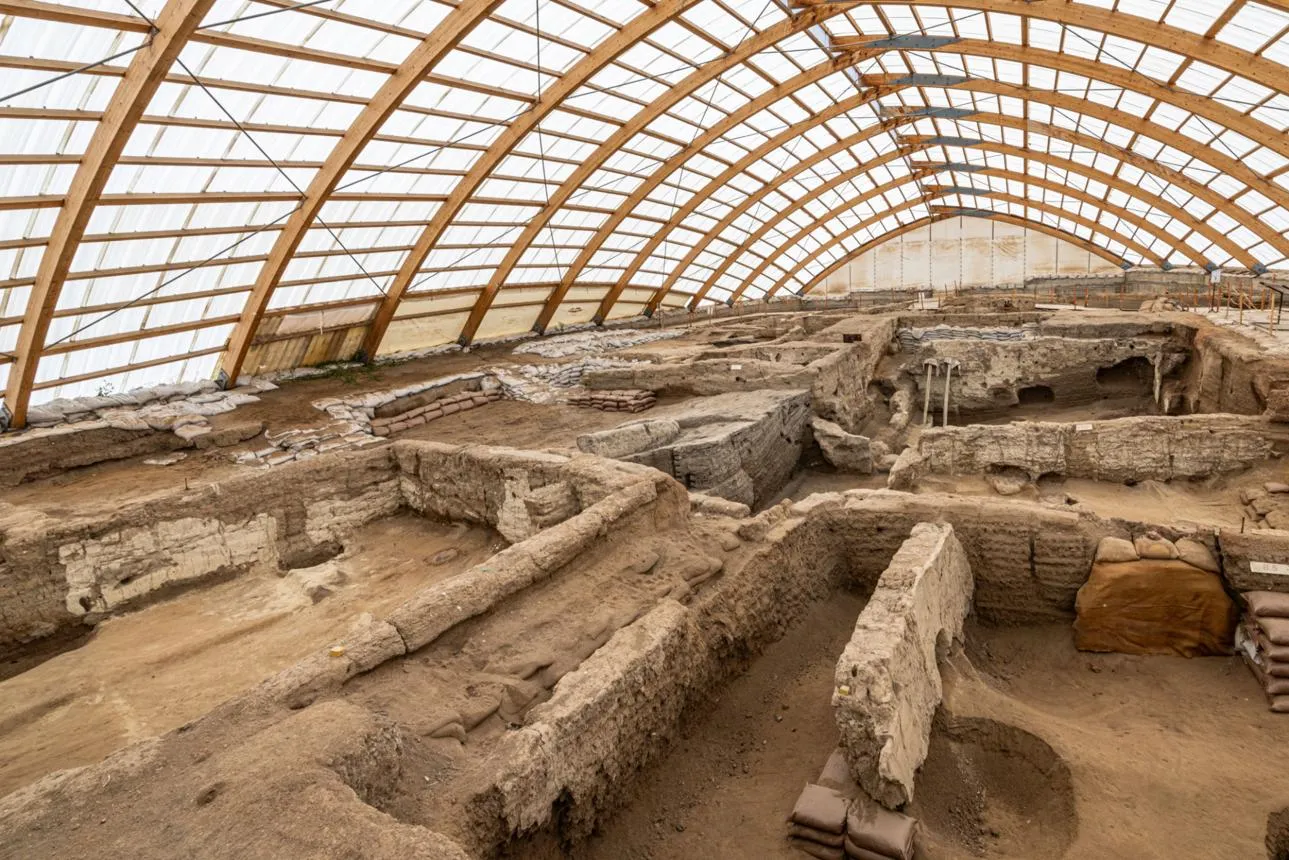
From around 7400 to 5200 BC, several thousand people lived here in mud-brick houses packed so tightly together that they walked across the rooftops and climbed in through the ceiling. They buried their dead under the floors and painted the walls with bulls and hunting scenes. A UNESCO World Heritage site since 2012, Çatalhöyük is one of the most important places on earth for the story of how we first settled down.

The restored stone church of Aya Elenia in Sille
Sille & Aya Elenia ChurchAbout 8 km from Konya

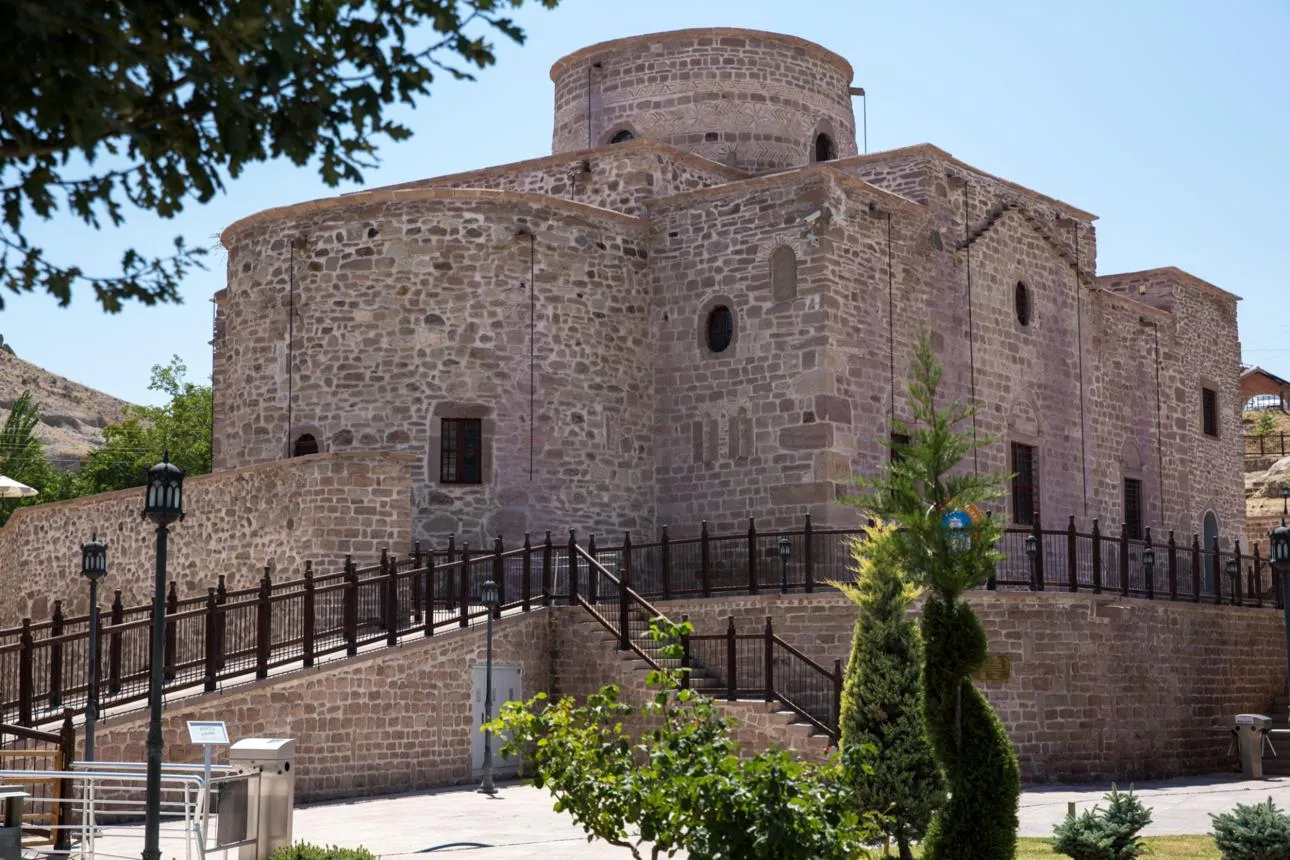
Until 1923, Greek and Turkish families lived side by side in this valley village of stone houses. Its church of Aya Elenia, tradition says, was founded by Empress Helena, mother of Constantine, in AD 327 on her way to Jerusalem, and rebuilt many times since. Restored and open to visitors, it is a quiet reminder of Konya's Christian past.

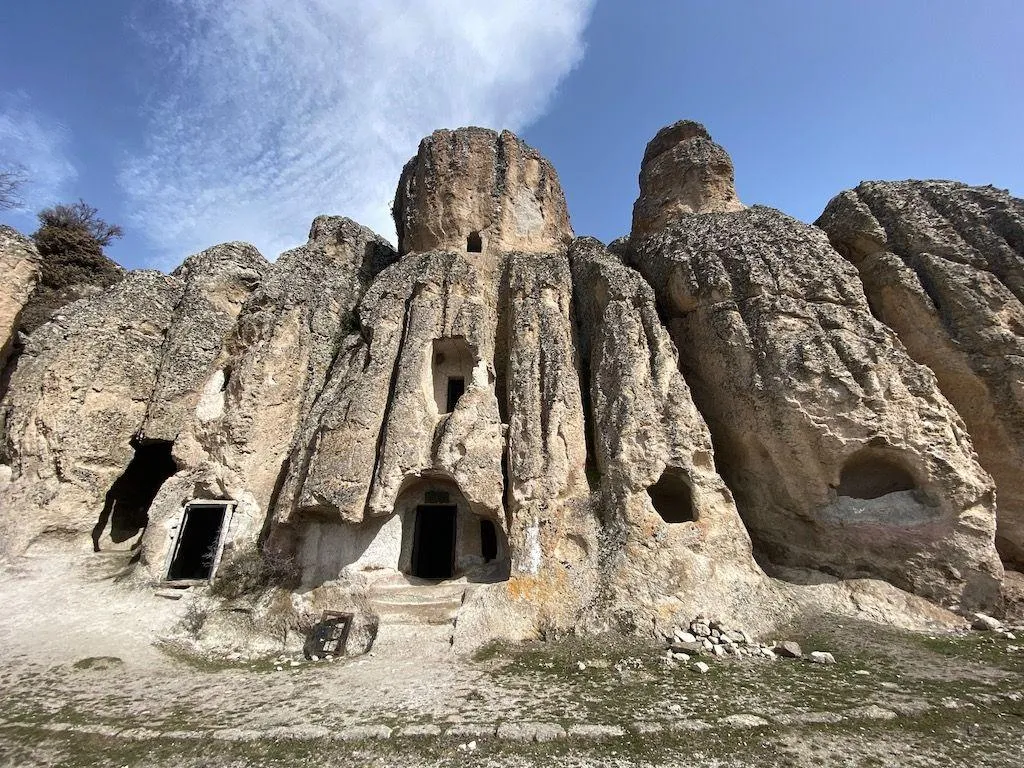
Rock formations carved with doorways and windows at Kilistra
KilistraGökyurt · About 45 km southwest

In a valley of strange rock formations, early Christians carved homes, chapels and cisterns into the soft stone, much like in Cappadocia but with almost no visitors. Kilistra lay on the road between Iconium and Lystra that St Paul walked. Its rock-cut church, shaped like a cross from the outside, is the highlight.

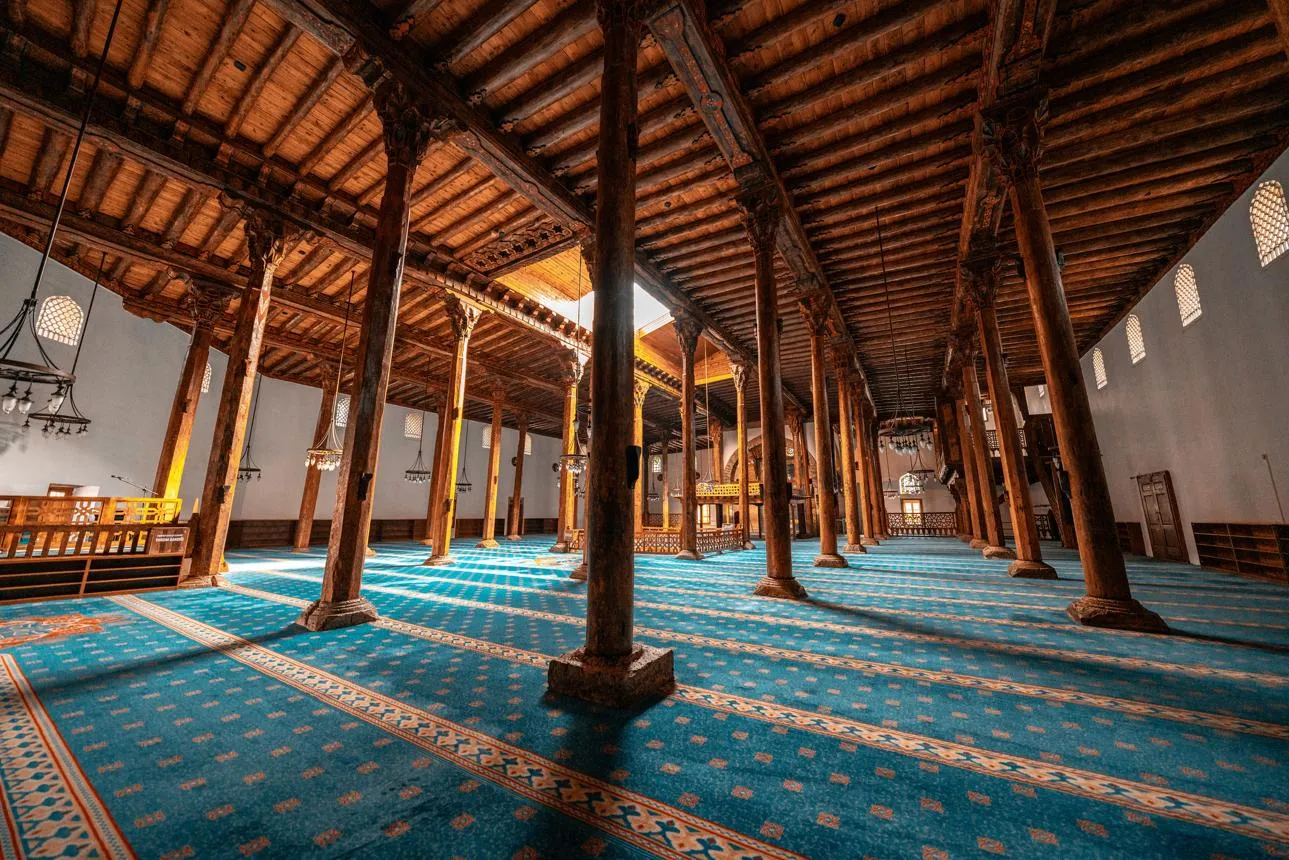
The forest of wooden columns and painted ceiling inside the Eşrefoğlu Mosque
Eşrefoğlu Mosque & Lake BeyşehirBeyşehir · About 1.5 hours from Konya

Built in 1296–99, the Eşrefoğlu Mosque is one of the most beautiful wooden mosques in the world: 42 cedar columns hold up a painted wooden ceiling, and the light falls on turquoise tiles. It joined the UNESCO World Heritage list in 2023 among the wooden hypostyle mosques of medieval Anatolia. Combine it with the shores of Lake Beyşehir, Türkiye's largest freshwater lake.

Experiences

Things to do in Konya

Every private Konya tour can mix these experiences in any order, at your own pace.

Discover Rumi

The Mevlana Museum, his poetry, the Mevlevi order and Sufi thought, with a guide.

Seljuk art & architecture

Madrasas, mosques, carved stone portals and the finest tilework of medieval Anatolia.

Back to the Neolithic

Çatalhöyük and the story of the first farmers and settled communities.

Konya's cuisine

Etli ekmek, a long thin flatbread with meat, slow-cooked fırın kebabı and Mevlana sugar sweets.

Trip length

How many days should you spend in Konya?

One full day covers the Mevlana Museum and the Seljuk monuments. Two days let you add a Sema ceremony and Sille, and three let you add Çatalhöyük.

  1. 1 day

    Konya highlights

    The Mevlana Museum, Alaeddin Mosque, the Seljuk madrasas and the historic centre.

  2. 2 days

    Culture & Sufi heritage

    A slower pace, with Şems-i Tebrizi, the bazaar, Sille and a Sema ceremony.

  3. 3 days

    Konya & Çatalhöyük

    The city in depth plus a dedicated visit to the Neolithic town.

  4. 4+ days

    The wider region

    Add Kilistra, Beyşehir and other quiet corners of Central Anatolia.

Good to know

Konya travel tips

Best time to visit

Spring (April to May) and autumn (September to October) are the most comfortable seasons for walking and excursions. Summer on the plateau is hot at midday. Winter is cold, sometimes snowy, and December is special for the Şeb-i Arus ceremonies honouring Rumi, from 7 to 17 December.

Getting there

The high-speed train links Konya with Ankara in under 2 hours and with Istanbul in about 4.5 hours. Konya also has an airport with flights from Istanbul. By road, Cappadocia is around 3 hours away, making Konya a natural stop between Cappadocia and the coast.

Visiting sacred places

Konya is a devout city. In the Mevlana Museum and the mosques, dress modestly, cover shoulders and knees, and women bring a headscarf; avoid prayer times. At the Sema, photographs without flash are usually allowed only at the end.

Tailor-made for you

Private Konya tours we can plan

Focus on Rumi and Sufi heritage, the Seljuks, early Christian sites or the wider region. These are some of the journeys our travellers love; each one can be shaped to suit you.

Let's plan your holiday

Plan your private Konya tour

Rumi's legacy, Seljuk architecture or the prehistoric world of Çatalhöyük: tell us your dates and interests, and we will plan a private itinerary, with a Sema ceremony if you wish, and email it with a price.

  1. 1
    Tell us your wishes

    Choose the places you would love to see, how many of you are travelling and for how long.

  2. 2
    Receive your itinerary

    We write a private programme just for you and email it with a personal price.

  3. 3
    Shape it together

    Change anything you like. We refine the programme with you until it feels just right.

Which places would you like to see?

Mix and match freely: pick places from as many themes as you like.

Rumi & the Seljuk city
Beyond the city
Experiences

Free and without obligation. We reply by email within 24 hours.

Our tour categories

From history and faith to hidden villages and the coast, find the journey that suits you. Every one can include Konya.

Keep exploring

Explore other destinations

All destinations
IstanbulMarmaraCappadociaCentral AnatoliaEphesusAegean coastPamukkaleAegean regionAntalyaMediterranean coastBodrumAegean coastŞirinceAegean hillsAssosNorth AegeanGallipoli & TroyDardanellesKaş & KekovaLycian coastFethiyeLycian coastDalyanMuğla coastAnkaraCentral AnatoliaSafranboluBlack Sea regionŞanlıurfa & Göbekli TepeSoutheastern AnatoliaMardinSoutheastern Anatolia
Mount NemrutSoutheastern Anatolia

Ready to explore Konya?

Discover Konya your way

Konya offers a deeper view of Türkiye's cultural history. Visit it on its own or as part of a tailor-made journey, planned around your interests, your dates and your pace.

Plan your trip