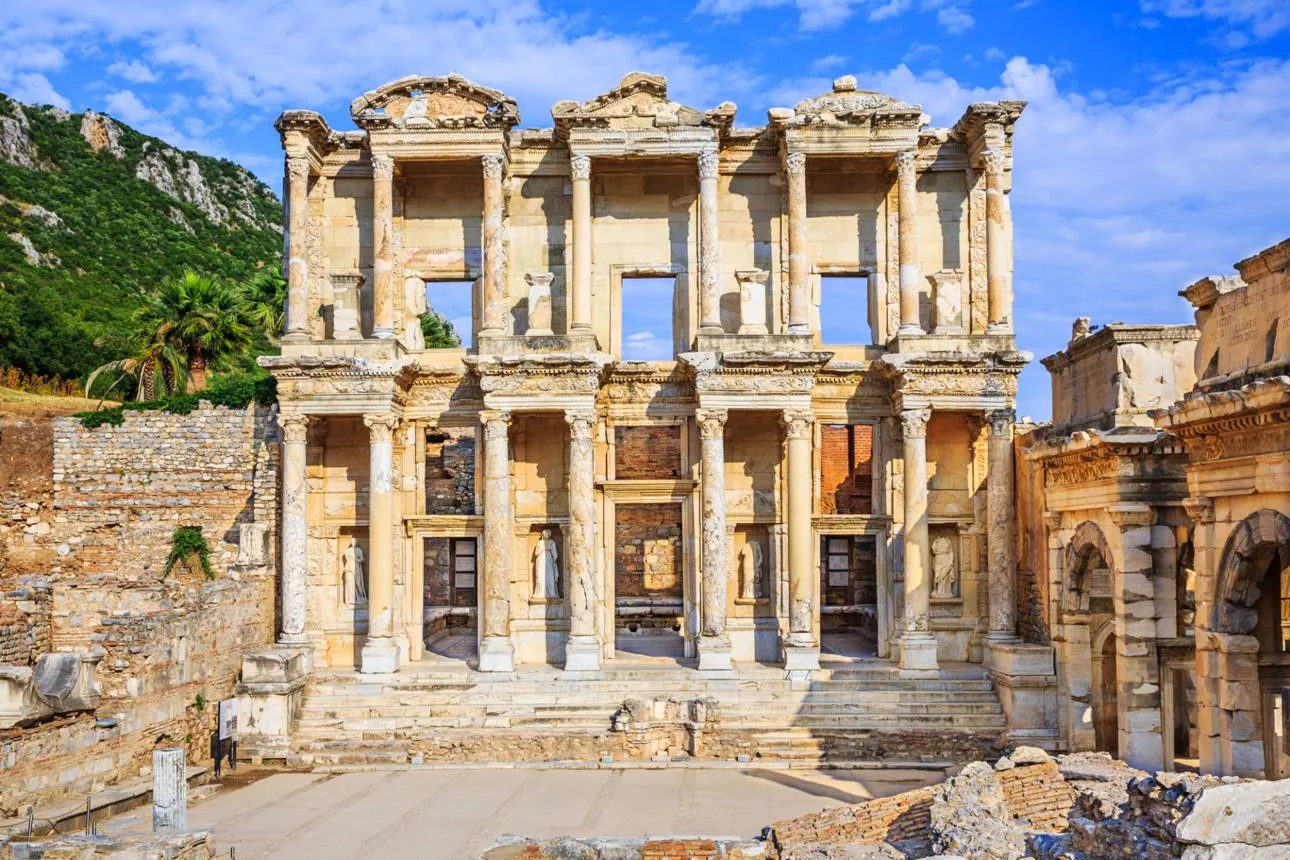
The two-storey marble façade of the Library of Celsus in Ephesus

Destination · Aegean coast

Ephesus & Selçuk: ancient wonders and early Christian heritage

Few places let you walk so far into the ancient world. Ephesus, on Turkey's Aegean coast, was one of the great cities of the Roman Empire, and its marble streets, theatre and Library of Celsus still stand. Around it, the town of Selçuk keeps the stories of St John, the Virgin Mary and the Temple of Artemis.

Plan your Ephesus trip

About Ephesus

More than a day among the ruins

Most visitors arrive by coach from Kuşadası's cruise port, walk Ephesus in two hours and leave. That is a pity, because the real pleasure here is in the pace. Start early, before the heat and the crowds, and Curetes Street is almost yours. Take the time to see the painted rooms of the Terrace Houses. Then drive up to the quiet chapel of the Virgin Mary, have lunch in Selçuk below the castle, and end the day with a glass of fruit wine in the hill village of Şirince. That is Ephesus done properly.

Start planning
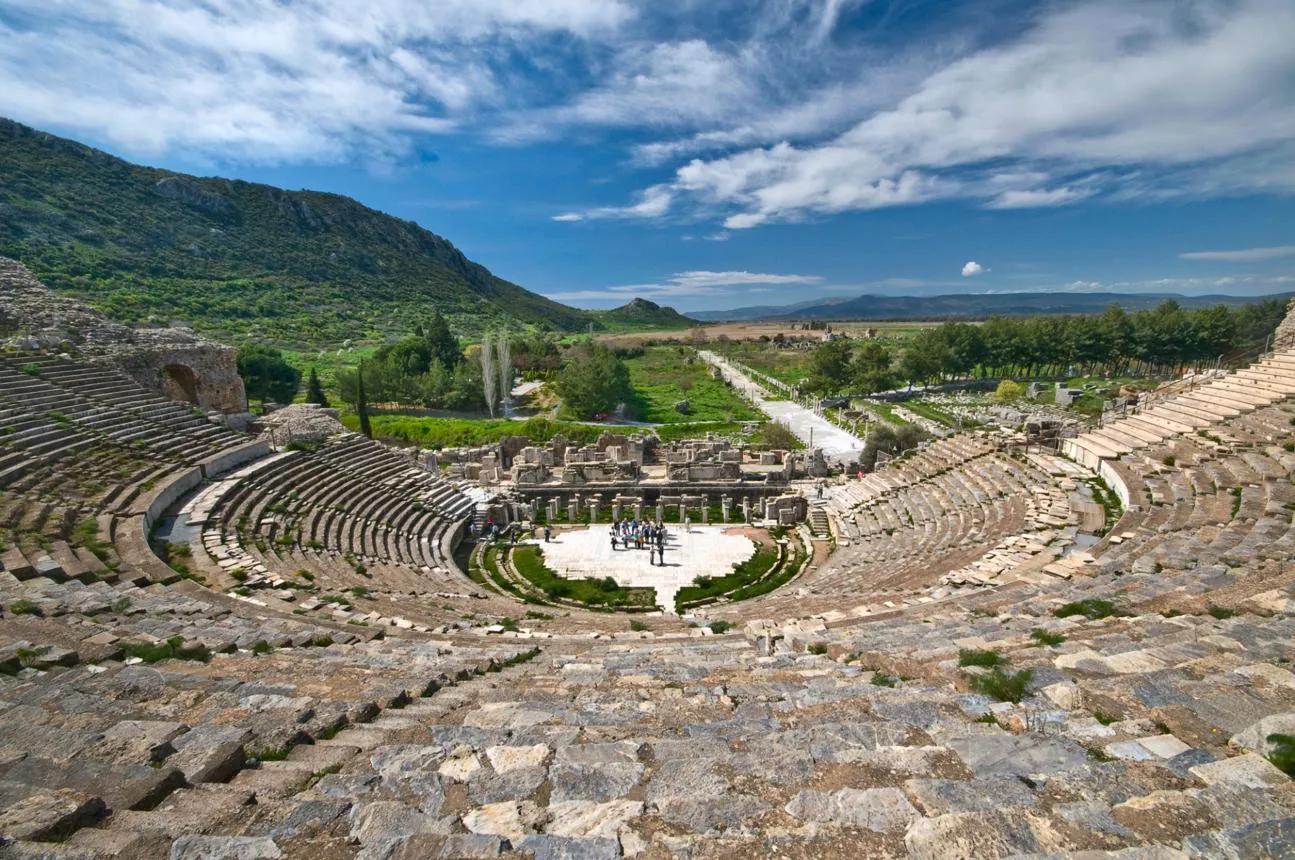
The Great Theatre of Ephesus with the Harbour Street leading towards the plain

Ancient Ephesus

Ephesus, one of the great cities of the ancient world

Founded by Greek settlers and later the capital of Rome's province of Asia, Ephesus was home to perhaps a quarter of a million people at its peak. Its sea harbour silted up long ago, which is why the ruins now sit several kilometres inland. Allow at least half a day.

Black SeaMediterranean SeaAegean SeaEphesus
Where Ephesus is in Türkiye. It combines easily with other destinations into one private route.
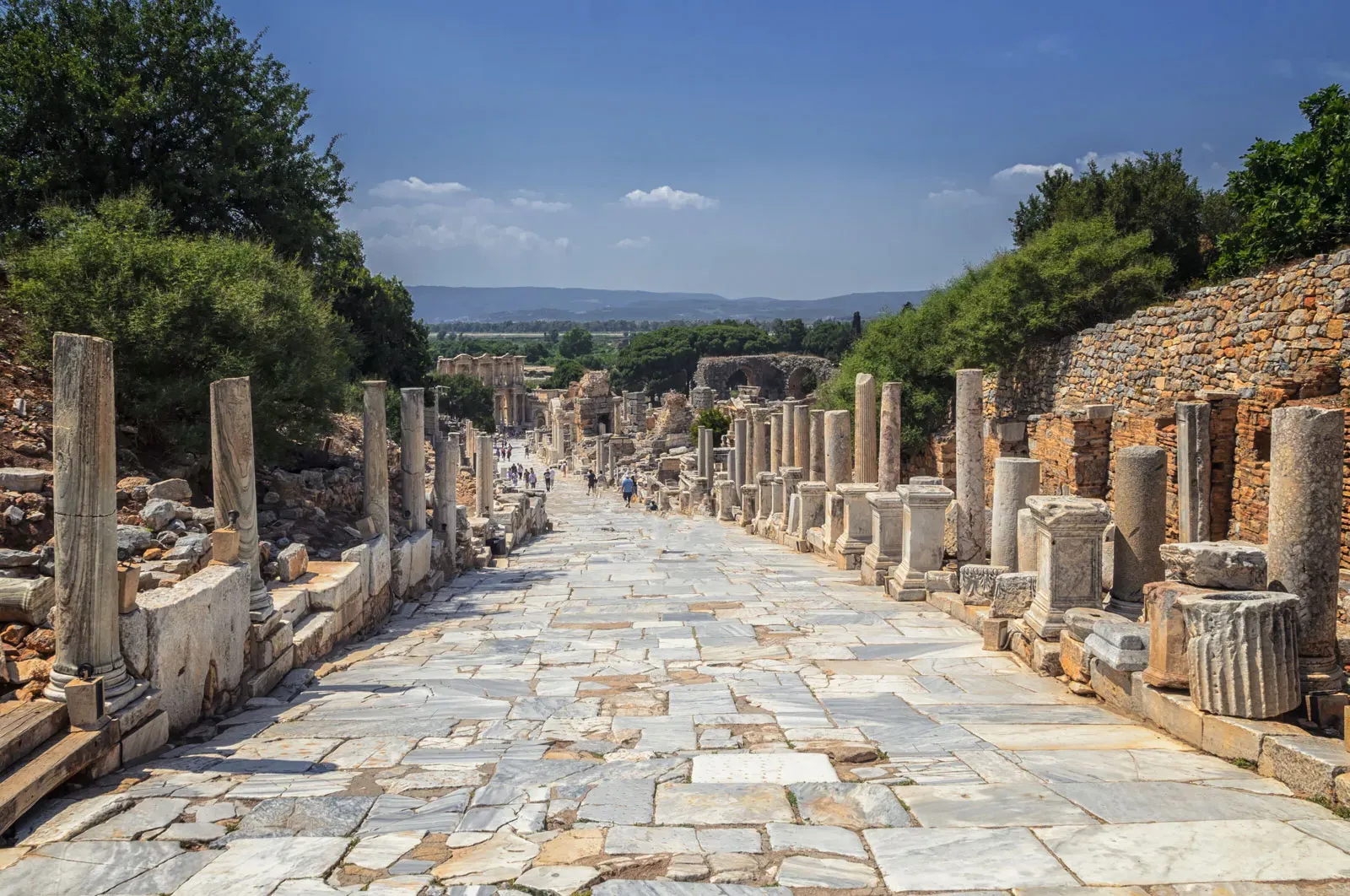
Columns and statues lining the marble Curetes Street in Ephesus
Ephesus Ancient CitySelçuk · Best for archaeology and history

Walking down Curetes Street, the marble polished smooth by two thousand years of feet, you pass fountains, shops, public latrines and statues of the city's benefactors. Ephesus has been a UNESCO World Heritage site since 2015, and it is one of the best-preserved Roman cities in the Mediterranean. A good guide turns the stones back into a living city.
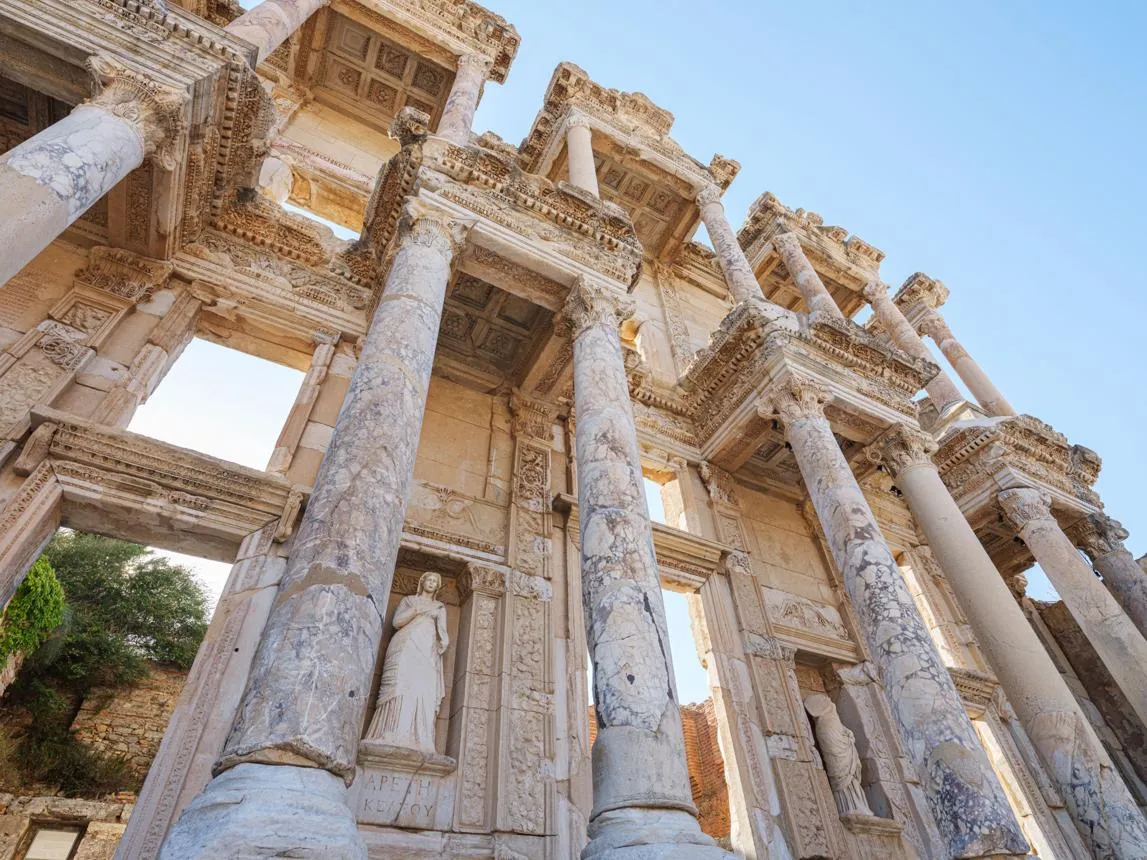
Looking up at the marble columns and statues of the Library of Celsus
Library of CelsusEphesus

The most photographed façade in Turkey was built in the early 2nd century AD by a consul, Tiberius Julius Aquila, in honour of his father Celsus, who lies buried beneath it. The library held some 12,000 scrolls. Archaeologists rebuilt its two storeys of columns and statues in the 1970s, and in the soft morning light it is simply breathtaking.

The tiers of the Great Theatre of Ephesus below a green hillside
Great TheatreEphesus

Cut into the slope of Mount Panayır, the theatre seated about 25,000 people, one of the largest in the ancient world. The Book of Acts tells how the city's silversmiths gathered here in protest against St Paul. Climb to the top rows for the view down the Harbour Street, which once led straight to the sea.

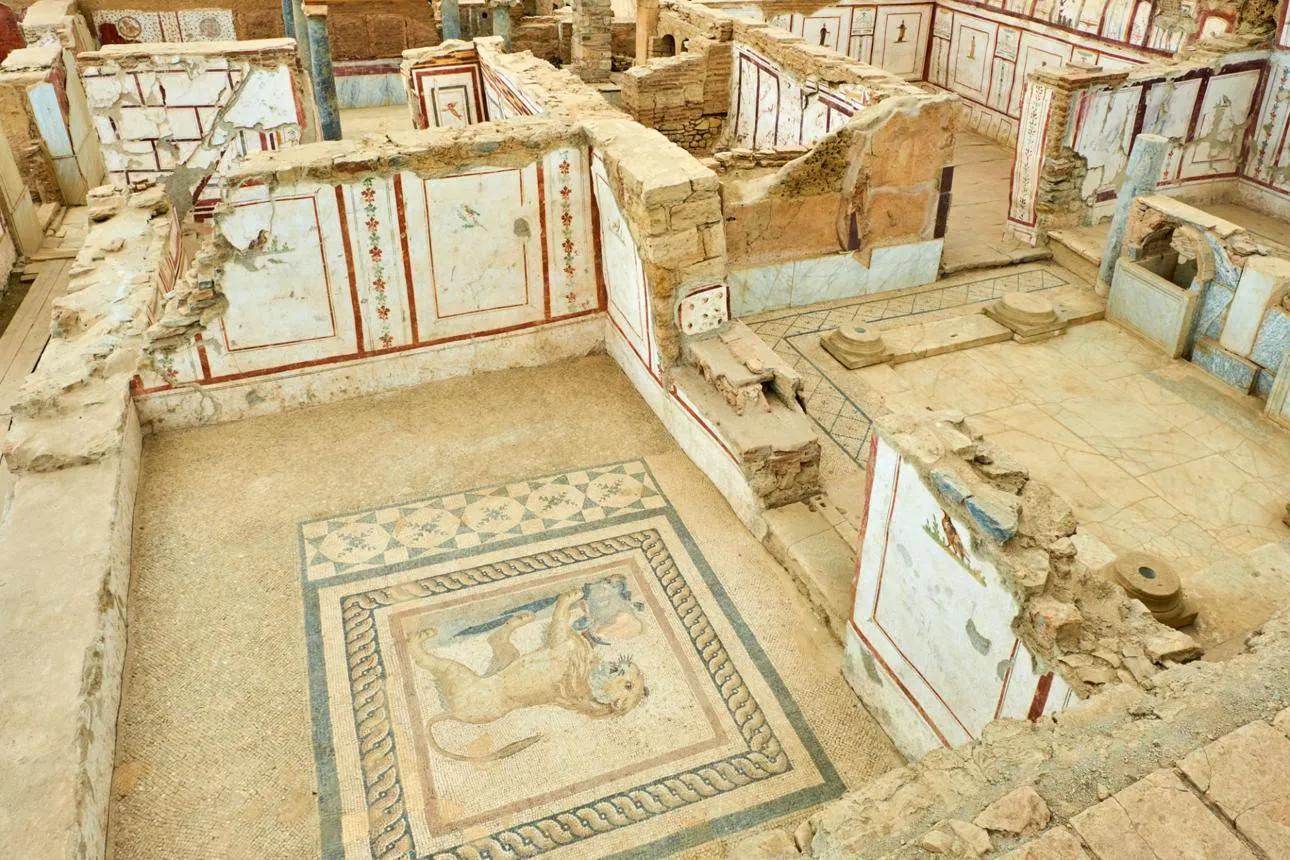
A lion mosaic and painted walls inside the Terrace Houses of Ephesus
Terrace HousesEphesus · Separate ticket

If you see one thing beyond the famous façades, make it this. Under a protective roof, walkways lead over the homes of wealthy Ephesians, with mosaic floors, painted walls and marble-lined rooms still in place. It is the closest you will come to stepping inside a Roman house. The Terrace Houses need a separate ticket, and they are worth every lira.

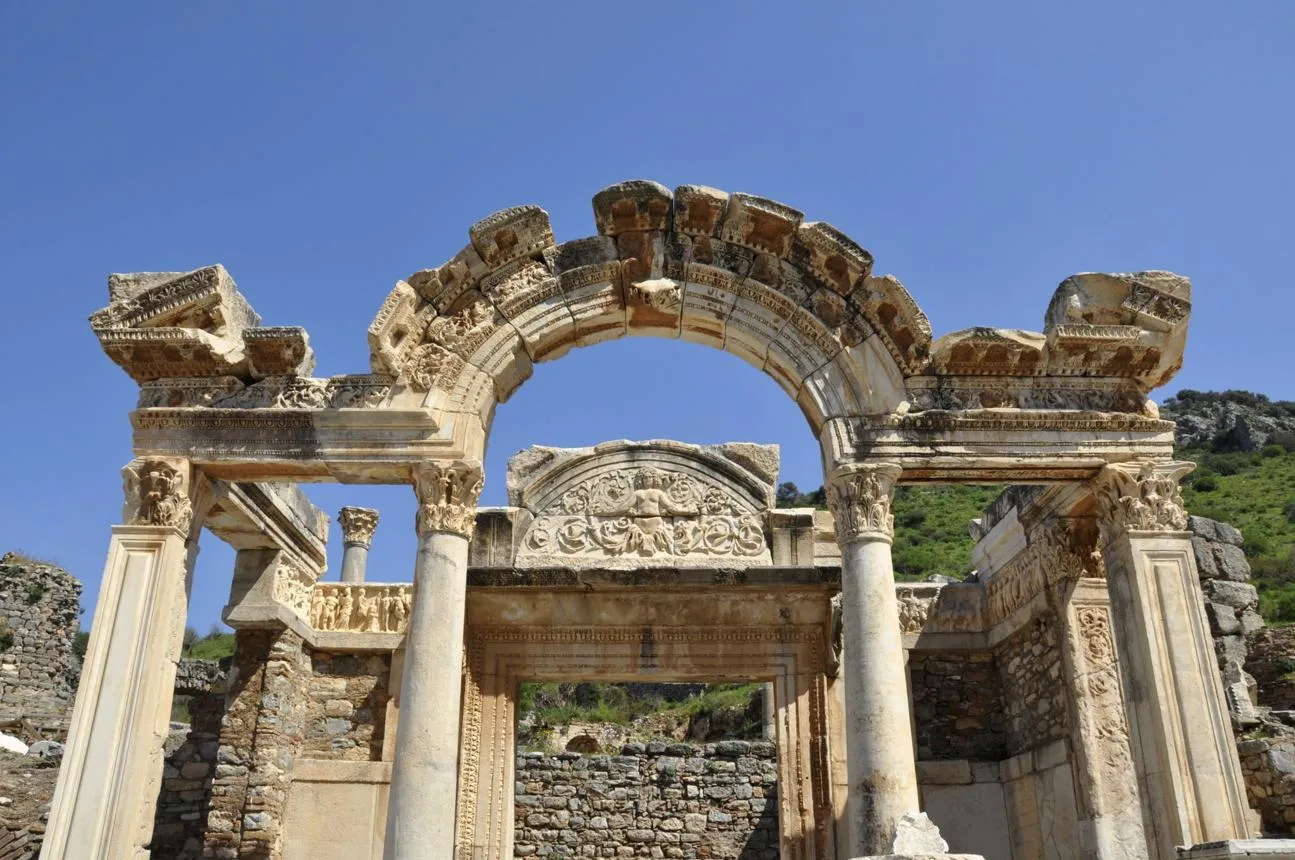
The carved arch and columns of the Temple of Hadrian
Temple of HadrianCuretes Street

This small temple, dedicated to the emperor Hadrian in the 2nd century AD, is a jewel of Roman carving. Look up at the arch for the figure of Tyche, goddess of fortune, and inside for a female figure framed by acanthus leaves above the door. Most visitors walk past in a minute; it deserves five.

Christian heritage

Early Christian heritage and sacred sites

St Paul lived and preached in Ephesus for more than two years, and wrote one of his letters to the Christians here. The city is one of the Seven Churches of Revelation, and tradition holds that St John and the Virgin Mary spent their last years nearby.

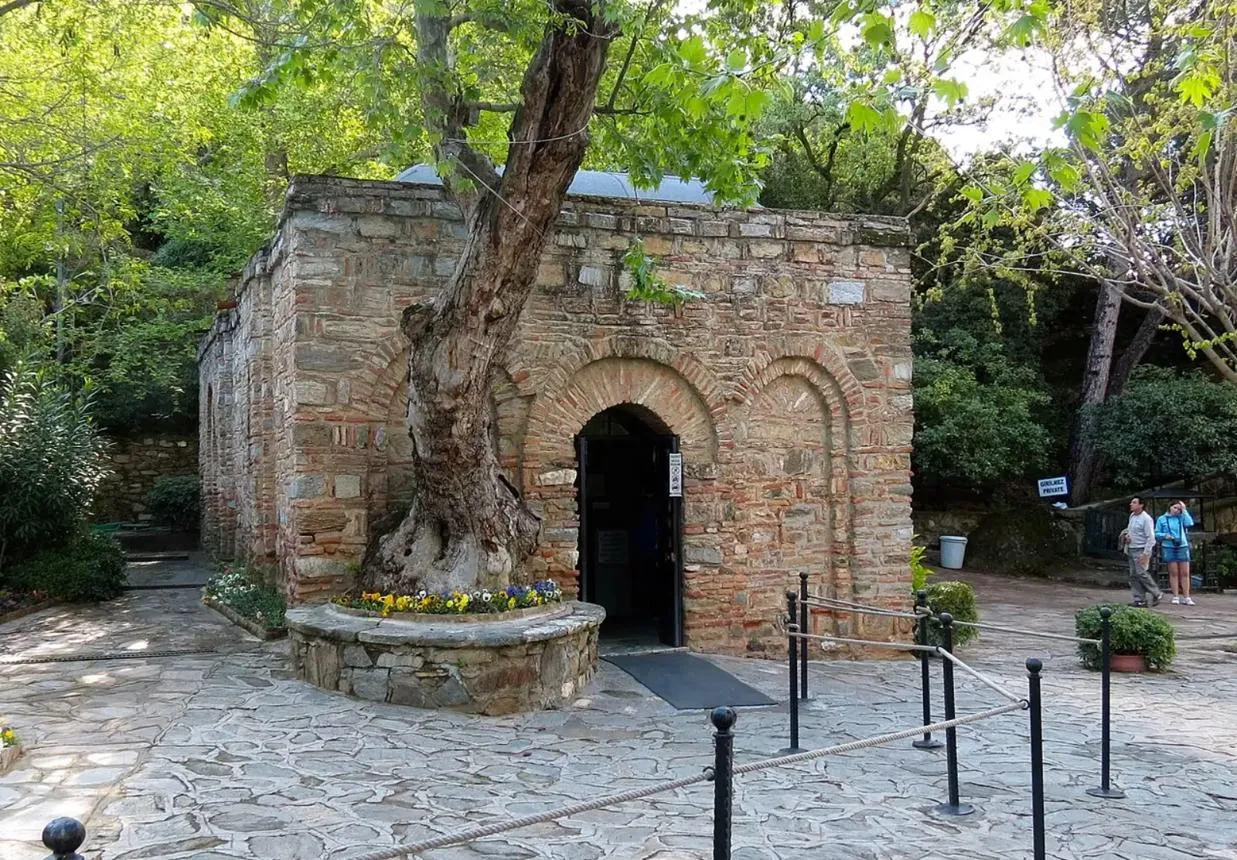
The small stone chapel of the House of the Virgin Mary under a plane tree
House of the Virgin MaryBülbüldağı, near Ephesus

In the pine woods above Ephesus stands a small stone chapel, honoured as the place where Mary spent her final years. Three popes have prayed here, and Muslims revere it too, as the house of Meryem Ana. Pilgrims leave written wishes on the wall below and drink from the spring. It is quiet, simple and often deeply moving.

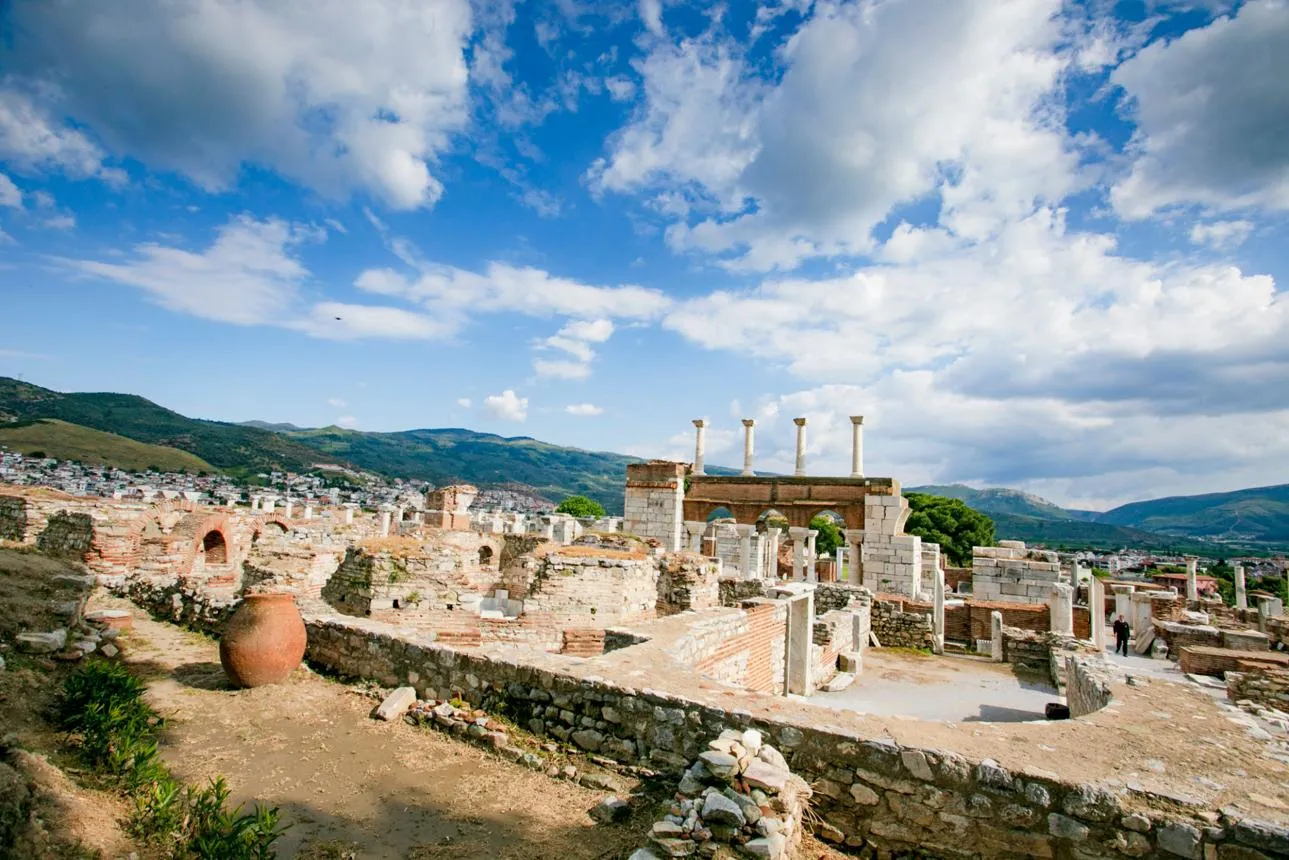
Brick walls and marble columns of the Basilica of St John above Selçuk
Basilica of St JohnAyasuluk Hill, Selçuk

In the 6th century the emperor Justinian built a vast domed basilica over the grave traditionally believed to be that of John the Apostle. Its walls, columns and the marble slab over the tomb survive on Ayasuluk Hill, with a fine view over Selçuk and the plain. Come late in the afternoon, when the stone turns gold.

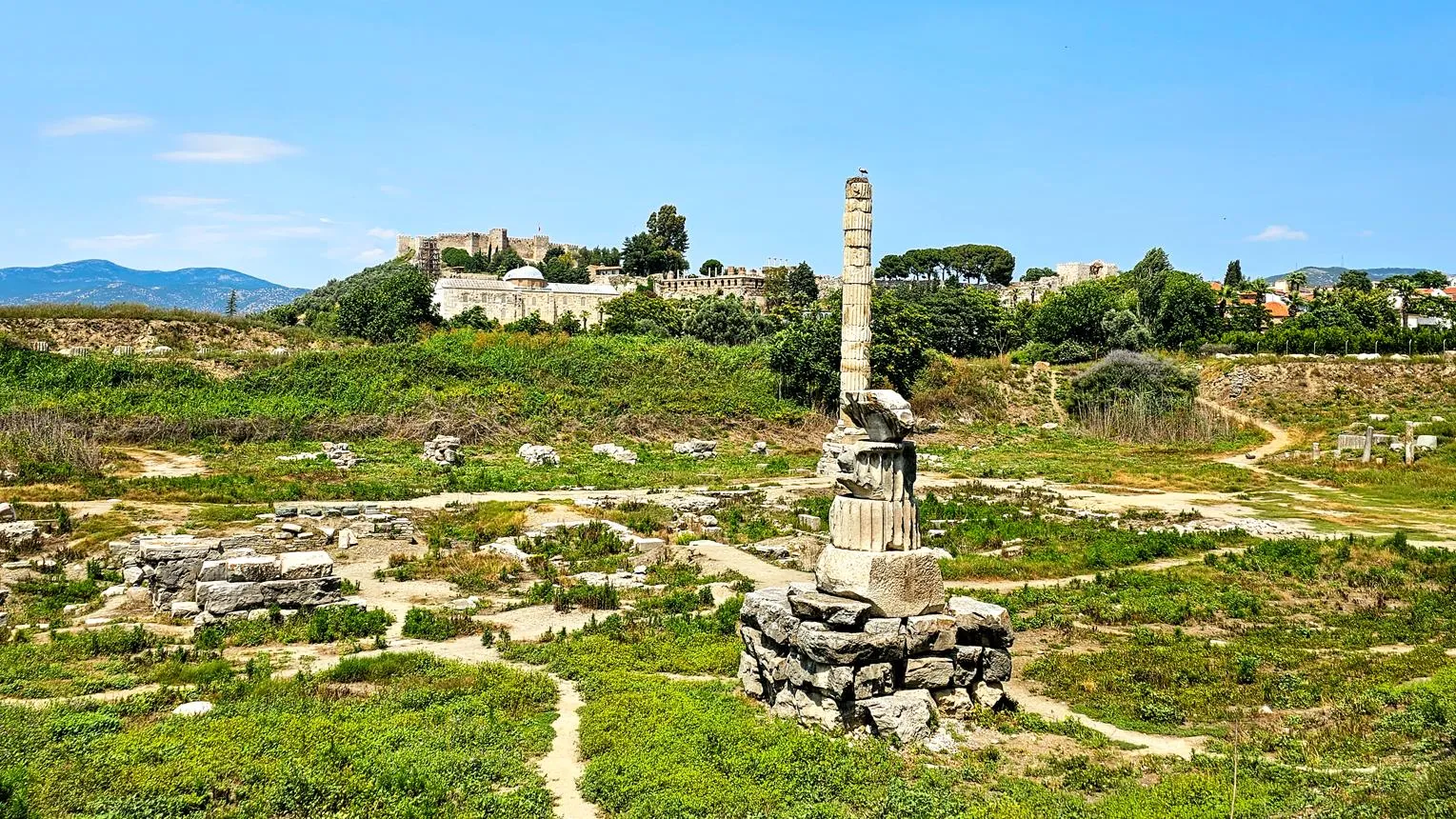
The single standing column of the Temple of Artemis, with Selçuk castle behind
Temple of ArtemisSelçuk

One of the Seven Wonders of the Ancient World once stood here, a temple of marble larger than the Parthenon, rebuilt after an arsonist burned it in 356 BC. Today a single re-erected column rises from a marshy field, often with a stork's nest on top. It takes imagination, and a good story, to bring it back to life.

Columns and brick walls of the Church of Mary in Ephesus
Church of MaryEphesus

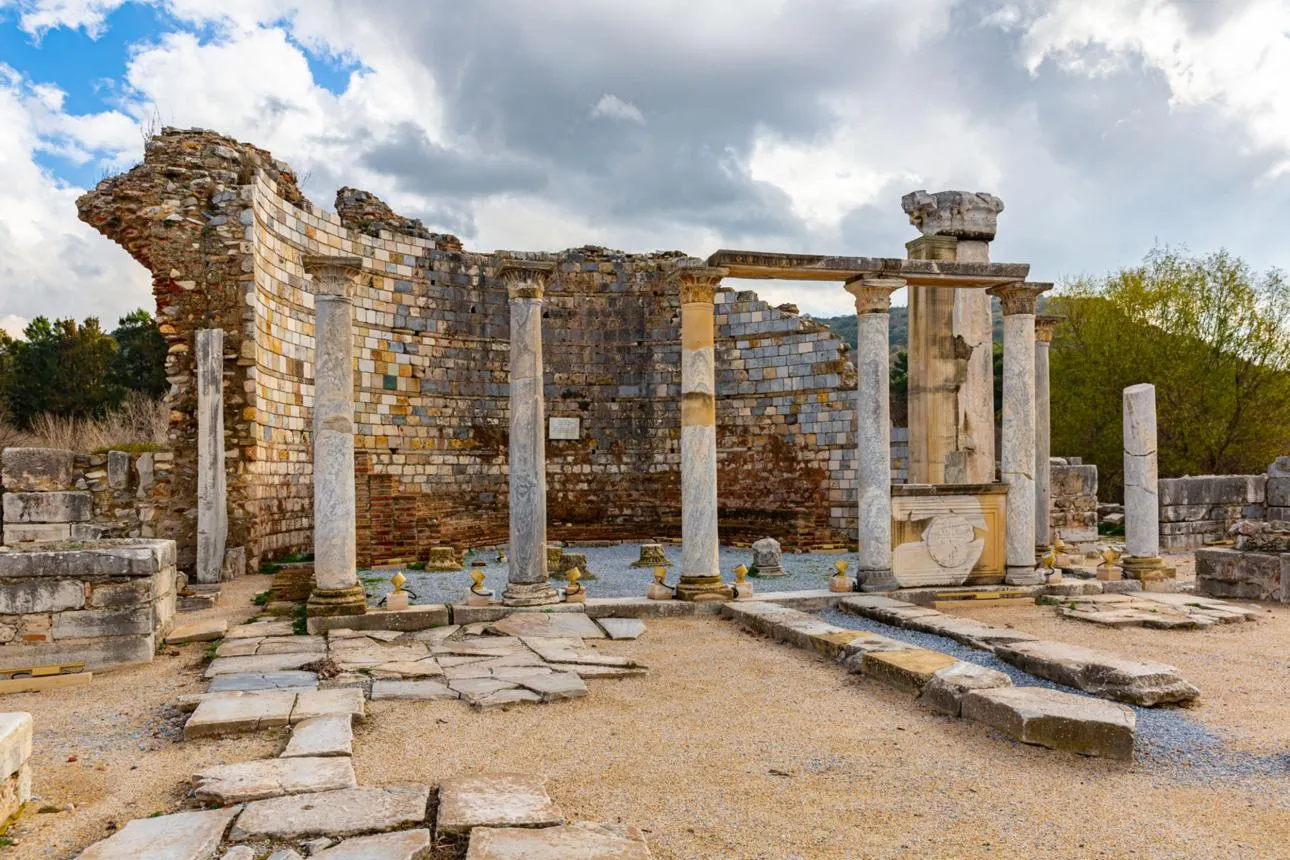
In AD 431 the Council of Ephesus met in this church and declared Mary to be Theotokos, the Mother of God, one of the great decisions of the early church. Its long nave and columns sit near the old harbour, a little apart from the busy main street, so you can often stand here alone.

Selçuk & Şirince

Selçuk and the village of Şirince

Selçuk is a small, friendly market town, easy to explore on foot. Pair it with Ephesus for a full day of history, then head up to Şirince for a slow afternoon.

The walls of Ayasuluk Castle with the town of Selçuk below
Ayasuluk CastleSelçuk

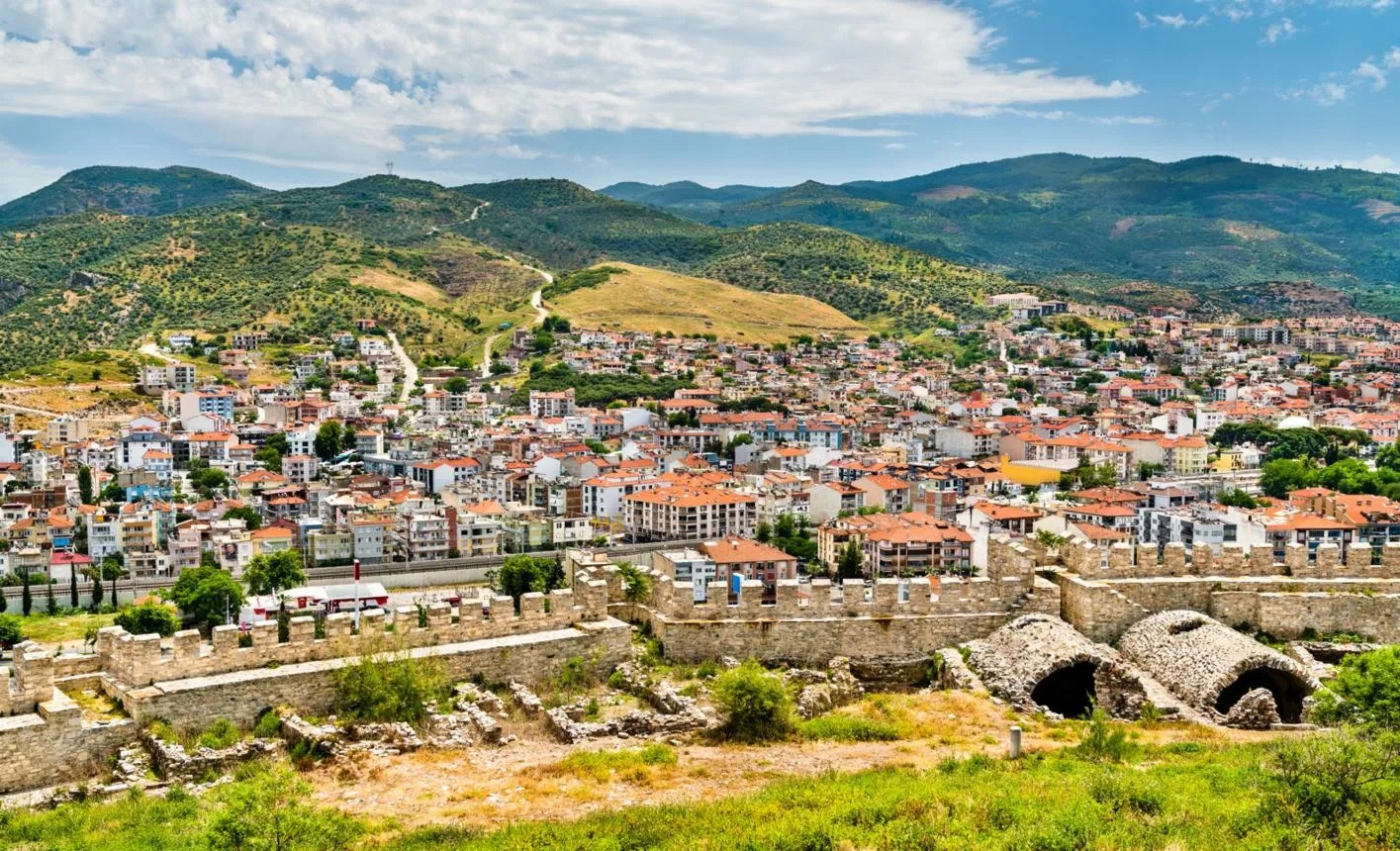
The walls of Ayasuluk Castle crown the hill above the Basilica of St John, as they have since Byzantine times, later rebuilt by the Turkish emirs of Aydın. From the ramparts you look down over the town, the plain and the hills towards the sea, the best place to understand how all the sites fit together.

Ephesus Archaeological MuseumSelçuk town centre

Much of what was found at Ephesus is here, in the centre of Selçuk. Its star pieces are two marble statues of Artemis of Ephesus, covered in strange egg-like forms, along with portraits, coins and everyday objects. Visit before or after the ruins: it fills in the faces and the details.

Stone walls, dome and brick minaret of the İsa Bey Mosque
İsa Bey MosqueSelçuk

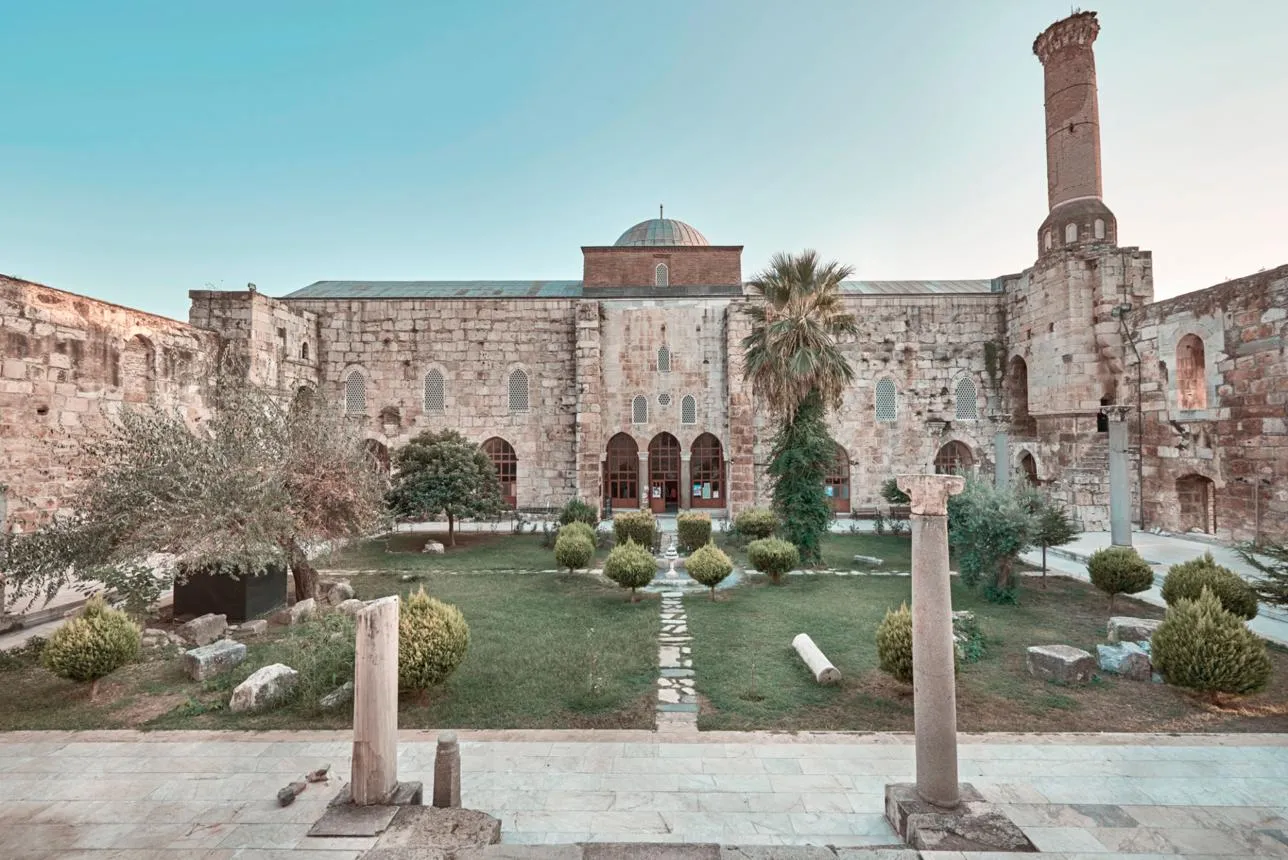
Built in 1375 for İsa Bey of the Aydınid dynasty, this is one of the oldest and most interesting mosques in Anatolia. Its builders reused granite columns and marble from ancient Ephesus, and its courtyard, with a brick minaret and quiet garden, is a peaceful stop between the castle and the Temple of Artemis.

White houses and the old church of Şirince on a green hillside
Şirince Village8 km from Selçuk · Best for a relaxed afternoon

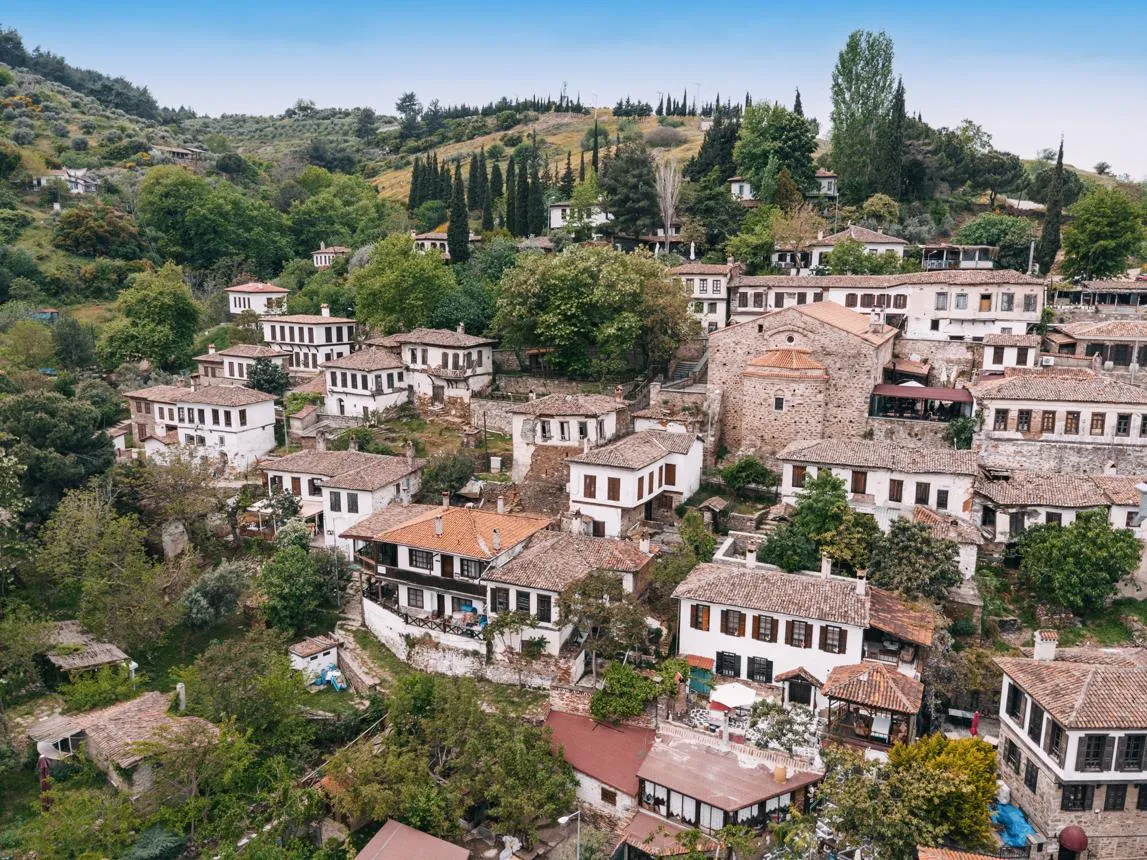
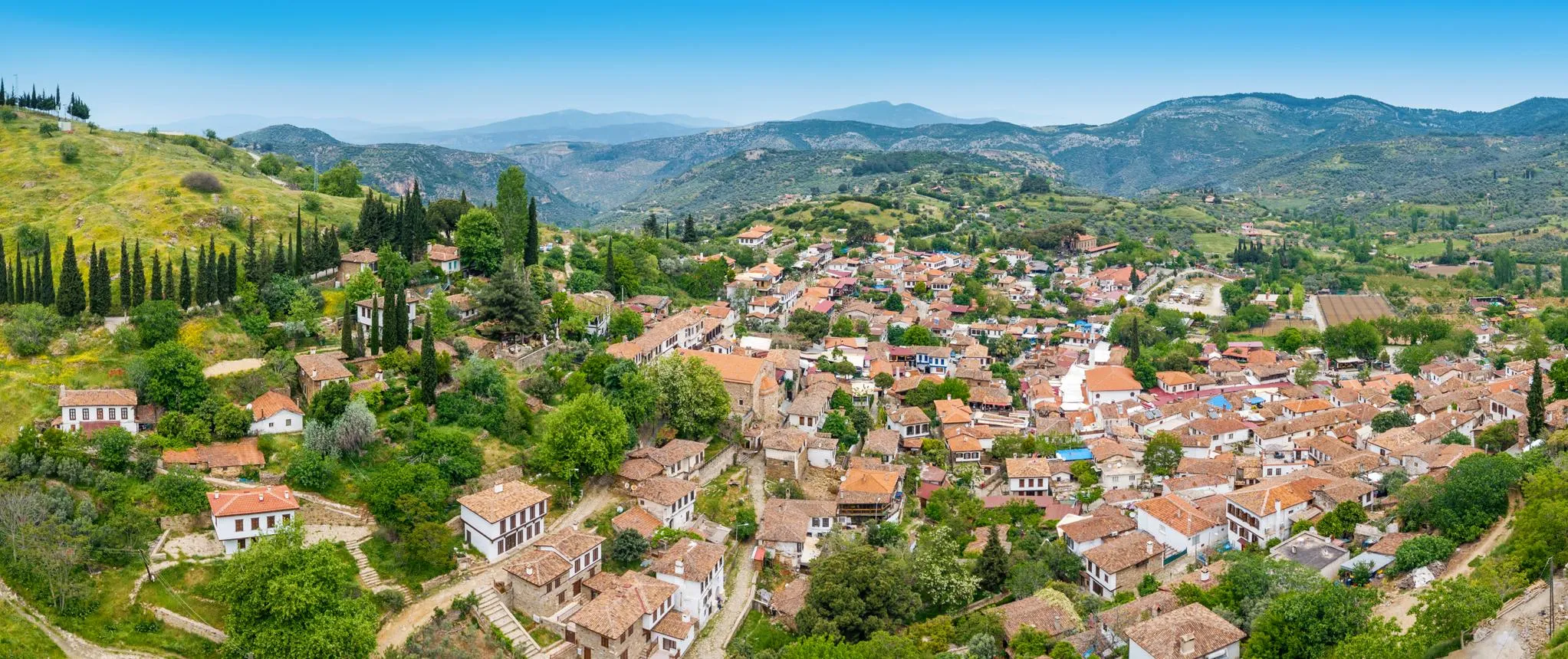
A winding road climbs through olive groves to Şirince, a village of whitewashed houses with red-tiled roofs. Until the 1920s it was a Greek community, and its stone church still stands at the top. Wander the lanes, taste the famous fruit wines and olive oils, have a Turkish coffee under the vines, and let the afternoon go.

Nearby ancient cities

Priene, Miletus, Didyma and more

Ephesus is the star, but Ionia was full of great cities. Priene, Miletus and Didyma make a wonderful full-day excursion south of Selçuk. They are not close to each other, so plan the driving time into your itinerary.

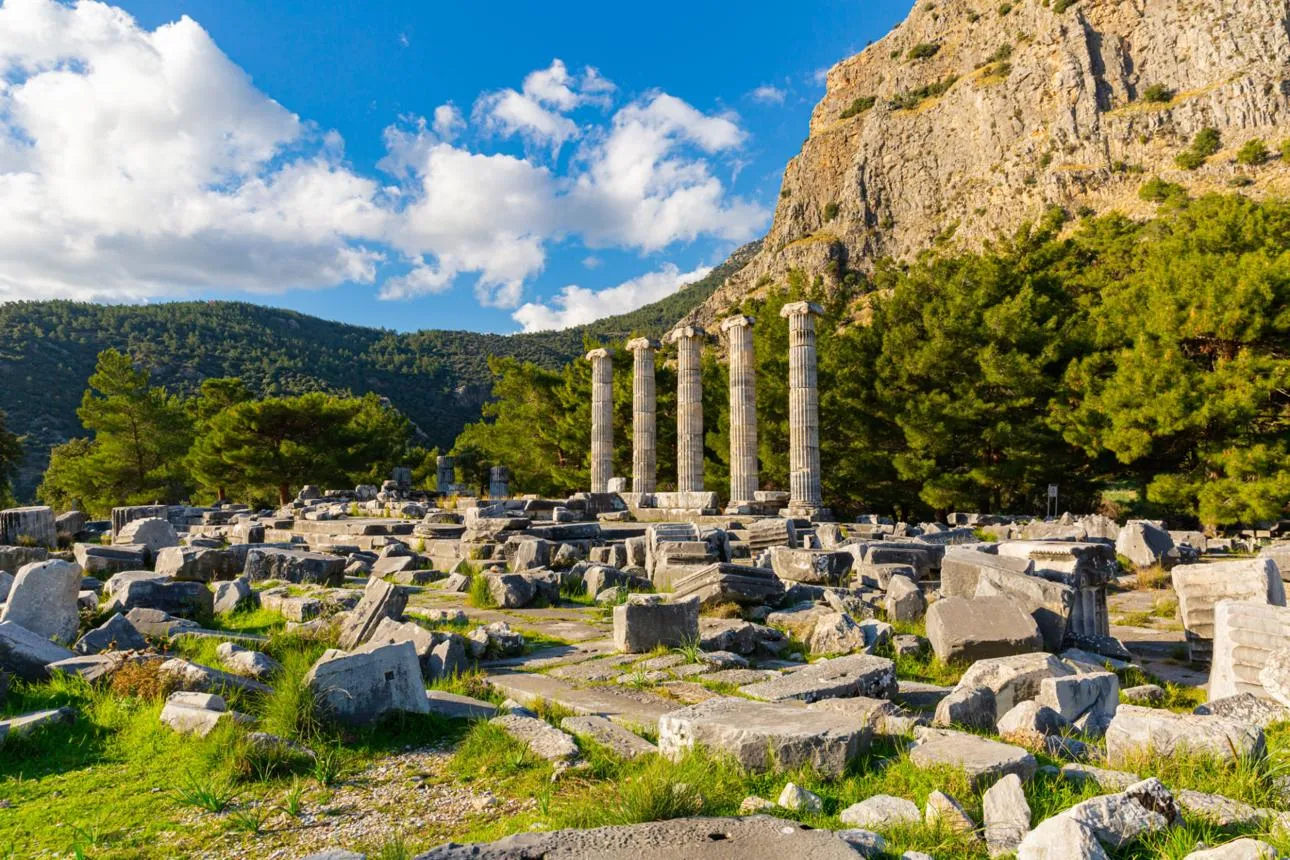
Five standing columns of the Temple of Athena at Priene below a cliff
PrieneGüllübahçe · About 45 minutes from Selçuk

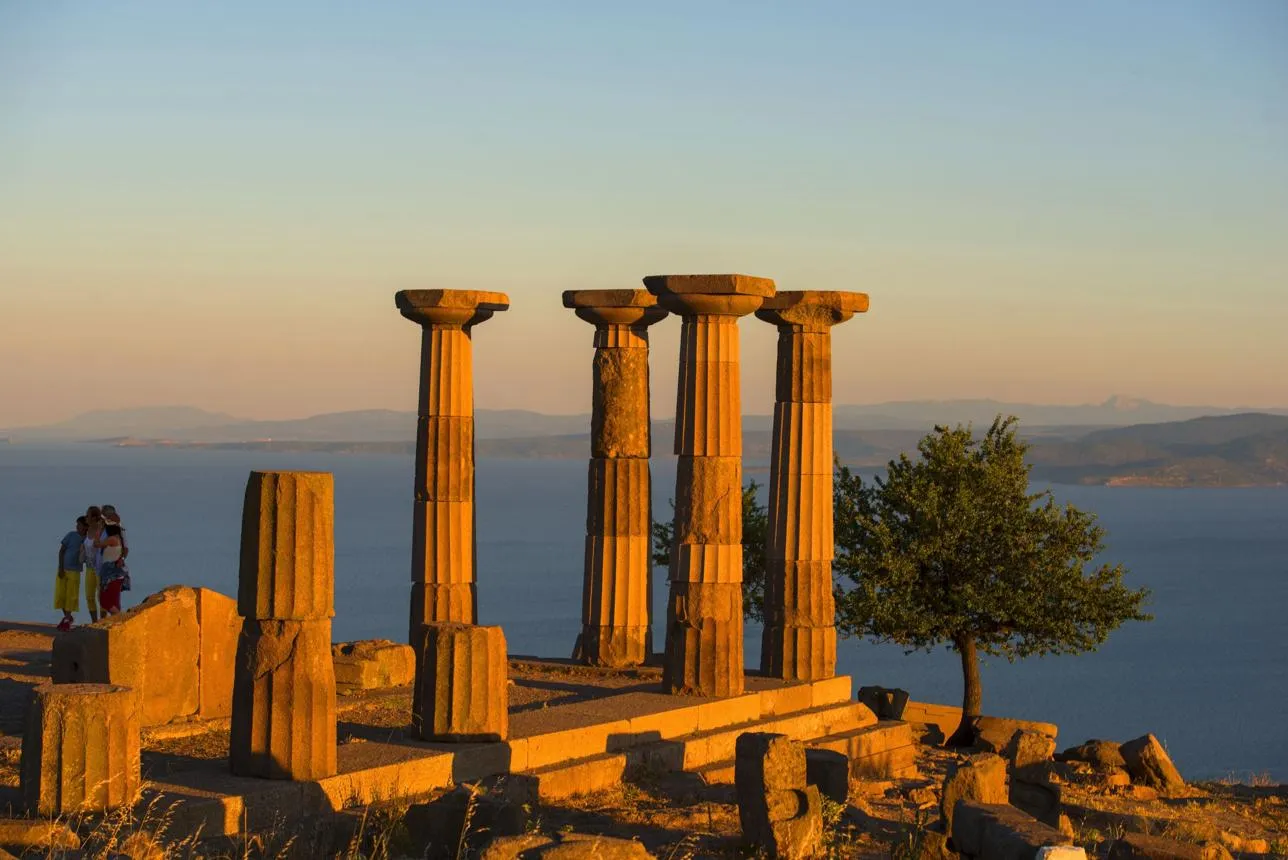
High on a pine-covered slope below a sheer cliff, Priene is a small Greek city laid out on a neat grid, with a theatre, a council house and five standing columns of the Temple of Athena, once dedicated by Alexander the Great. Fewer visitors come here, and the setting is unforgettable.

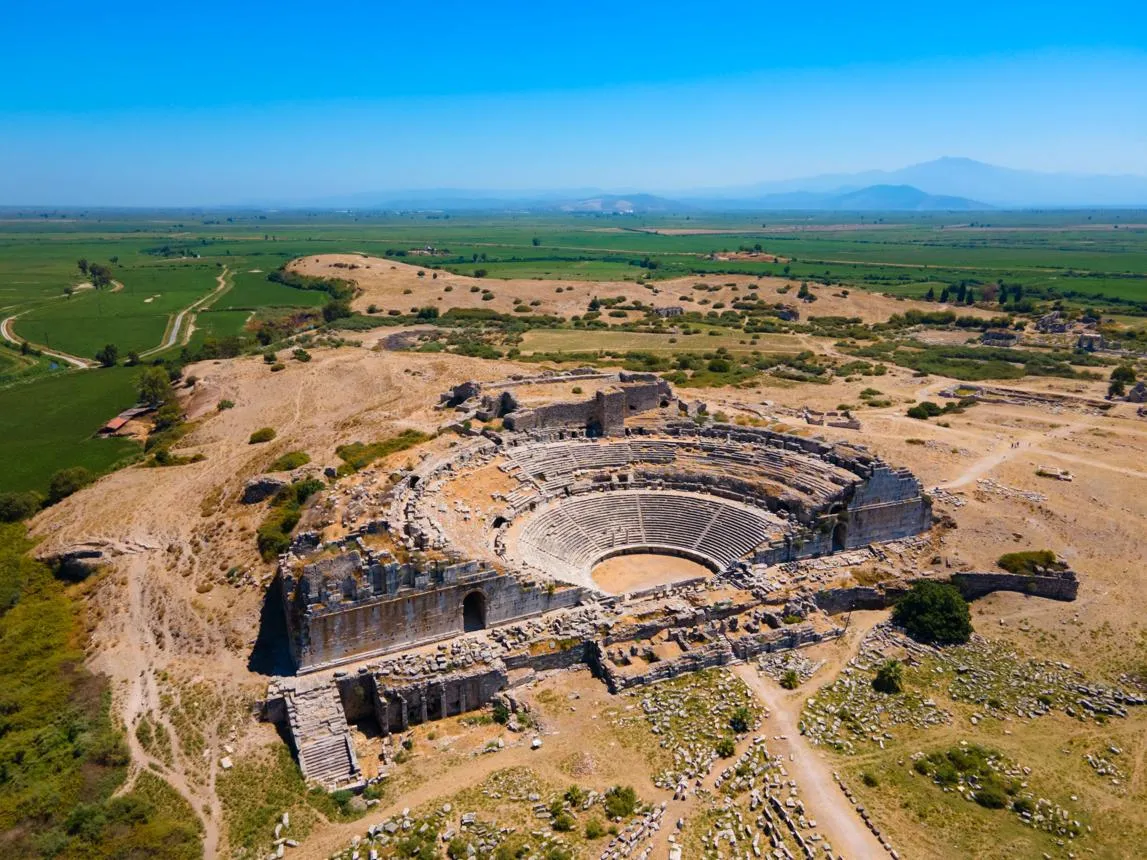
Aerial view of the great theatre of Miletus above the plain
MiletusBalat

Miletus was one of the richest ports of the Greek world and the home of Thales, often called the first philosopher. The sea has long since retreated, leaving its huge theatre standing alone above the plain. Explore the Baths of Faustina and imagine the harbour that once lay at your feet.

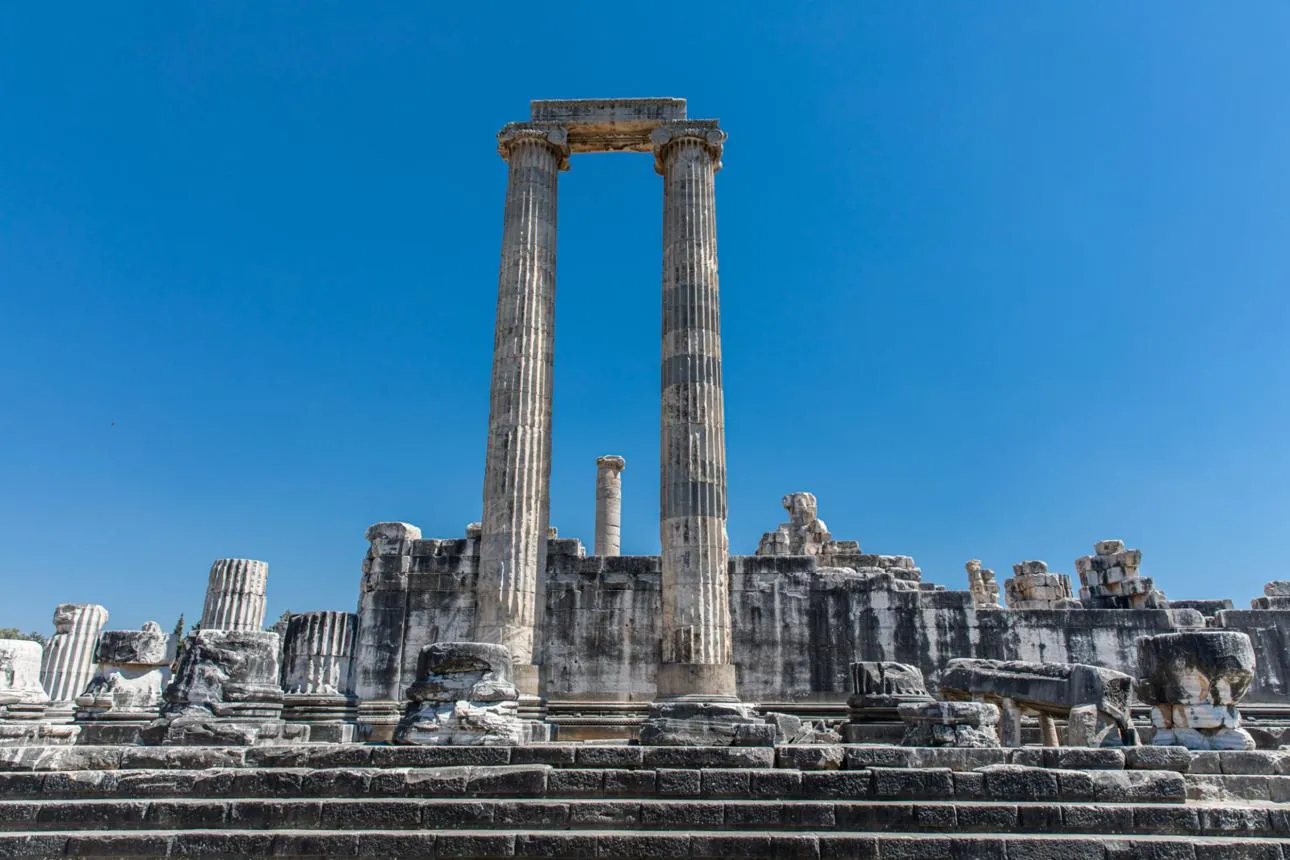
Two towering columns of the Temple of Apollo at Didyma
Didyma & the Temple of ApolloDidim

The Temple of Apollo at Didyma was one of the most important oracles of the ancient world, second only to Delphi. It was never finished, yet its columns, nearly 20 metres tall, and its carved stonework, including a famous Medusa head, are among the most impressive anywhere in Turkey.

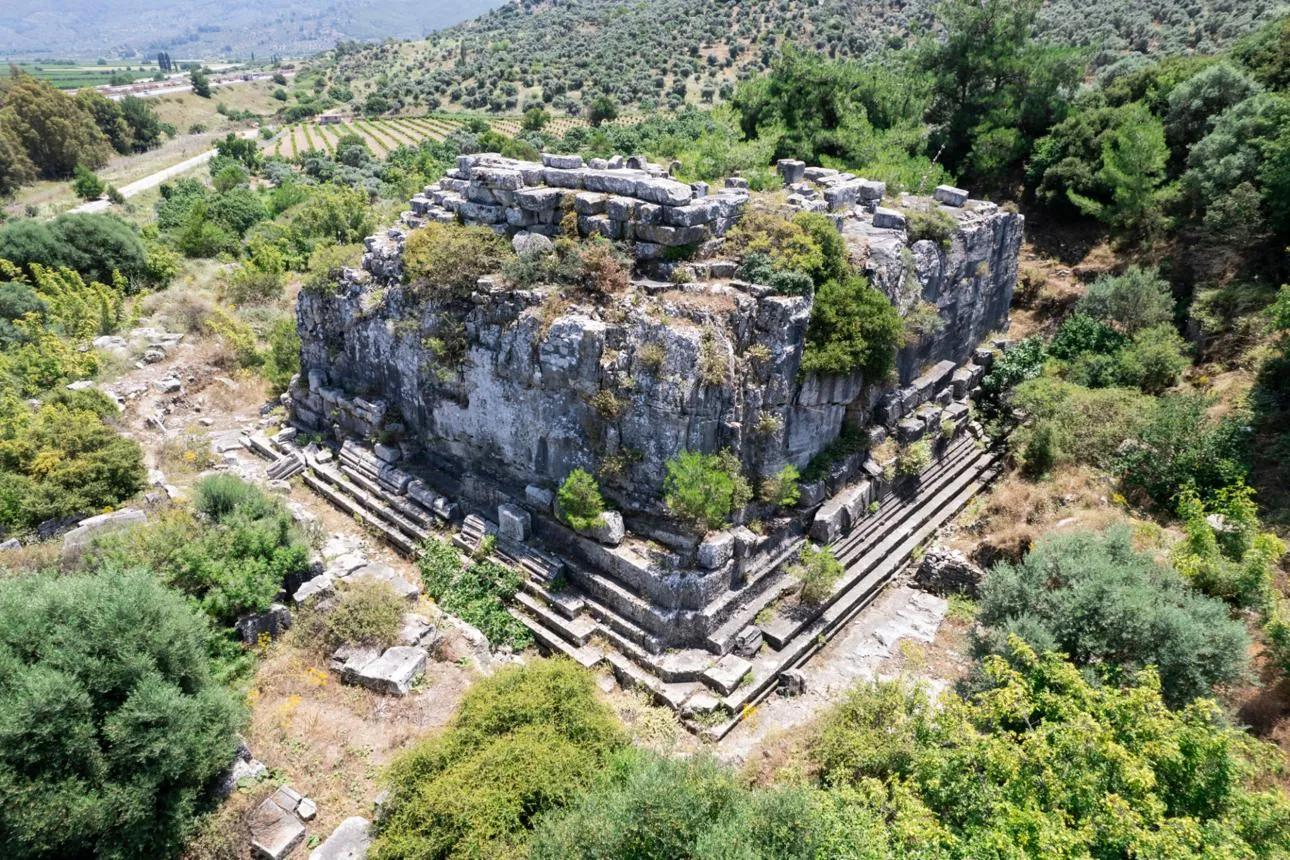
Aerial view of the stone platform of the Belevi Mausoleum among olive trees
Belevi MausoleumBelevi, near Selçuk

Only a short drive from Selçuk, this massive Hellenistic tomb of the 3rd century BC was carved partly from the living rock. It may have been built for a king of the Seleucid dynasty. Few travellers find it, which is part of its charm. Ask us to check access before you go.

Experiences

Things to do in Ephesus and Selçuk

Every private Ephesus tour can combine these experiences in any order, at your own pace.

Explore the ancient city

Walk Ephesus with an expert guide and discover Roman city life, architecture, trade and public spaces.

Follow early Christian history

The House of the Virgin Mary, the Basilica of St John and the places linked with St Paul.

Photography & historic walks

Marble façades in the morning light, village lanes and the green Aegean countryside.

Village life in Şirince

Cafés, local wines and olive oil, traditional houses and the flavours of the region.

An extended archaeology tour

Add Priene, Miletus and Didyma for a deeper journey through ancient Ionia.

Trip length

How many days in Ephesus and Selçuk?

One full day covers the essentials, but we recommend two days to see Ephesus properly and enjoy Selçuk and Şirince. With three days you can add the ancient cities of Ionia.

  1. 1 day

    The essential Ephesus

    Ephesus ancient city, the House of the Virgin Mary or the Basilica of St John, and a short walk around Selçuk.

  2. 2 days

    History and village life

    A slower, more detailed visit to Ephesus and the Terrace Houses, Selçuk's landmarks and an afternoon in Şirince.

  3. 3 days

    The wider ancient Aegean

    Add a day trip to Priene, Miletus and Didyma, or continue along the Aegean coast.

Good to know

Ephesus travel tips

Best time to visit

Spring (April to June) and autumn (September to October) are the most comfortable seasons. In July and August temperatures often pass 35°C and there is little shade, so start early and bring water, a hat and sun cream.

How long you need

Allow at least half a day for the ancient city, and longer with the Terrace Houses and a specialist guide. Expect a lot of walking on uneven marble, so wear comfortable shoes.

Getting there

Ephesus is about 20 minutes by car from Kuşadası and its cruise port, and about an hour from İzmir Adnan Menderes Airport. Selçuk, the nearest town, is just 3 km away.

Tickets & opening times

Opening hours, tickets and access to some monuments change with the season. We check the current arrangements for you and plan your day around them.

Tailor-made for you

Your private Ephesus tour can include

A detailed archaeological visit, a Christian heritage journey, a slow day in Şirince or a wider exploration of ancient Ionia: your itinerary is built around what interests you.

Let's plan your holiday

Request your private Ephesus tour

Tick the places and experiences that interest you, tell us how many of you are travelling, how many days you have and your preferred dates. We will prepare a personal itinerary and email it with a price.

  1. 1
    Tell us your wishes

    Choose the places you would love to see, how many of you are travelling and for how long.

  2. 2
    Receive your itinerary

    We write a private programme just for you and email it with a personal price.

  3. 3
    Shape it together

    Change anything you like. We refine the programme with you until it feels just right.

Which places would you like to see?

Mix and match freely: pick places from as many themes as you like.

Ancient Ephesus
Christian heritage
Selçuk & Şirince
Nearby ancient cities
Experiences

Free and without obligation. We reply by email within 24 hours.

Our tour categories

From history and faith to hidden villages and the coast, find the journey that suits you. Every one can include Ephesus.

Keep exploring

Explore other destinations

All destinations
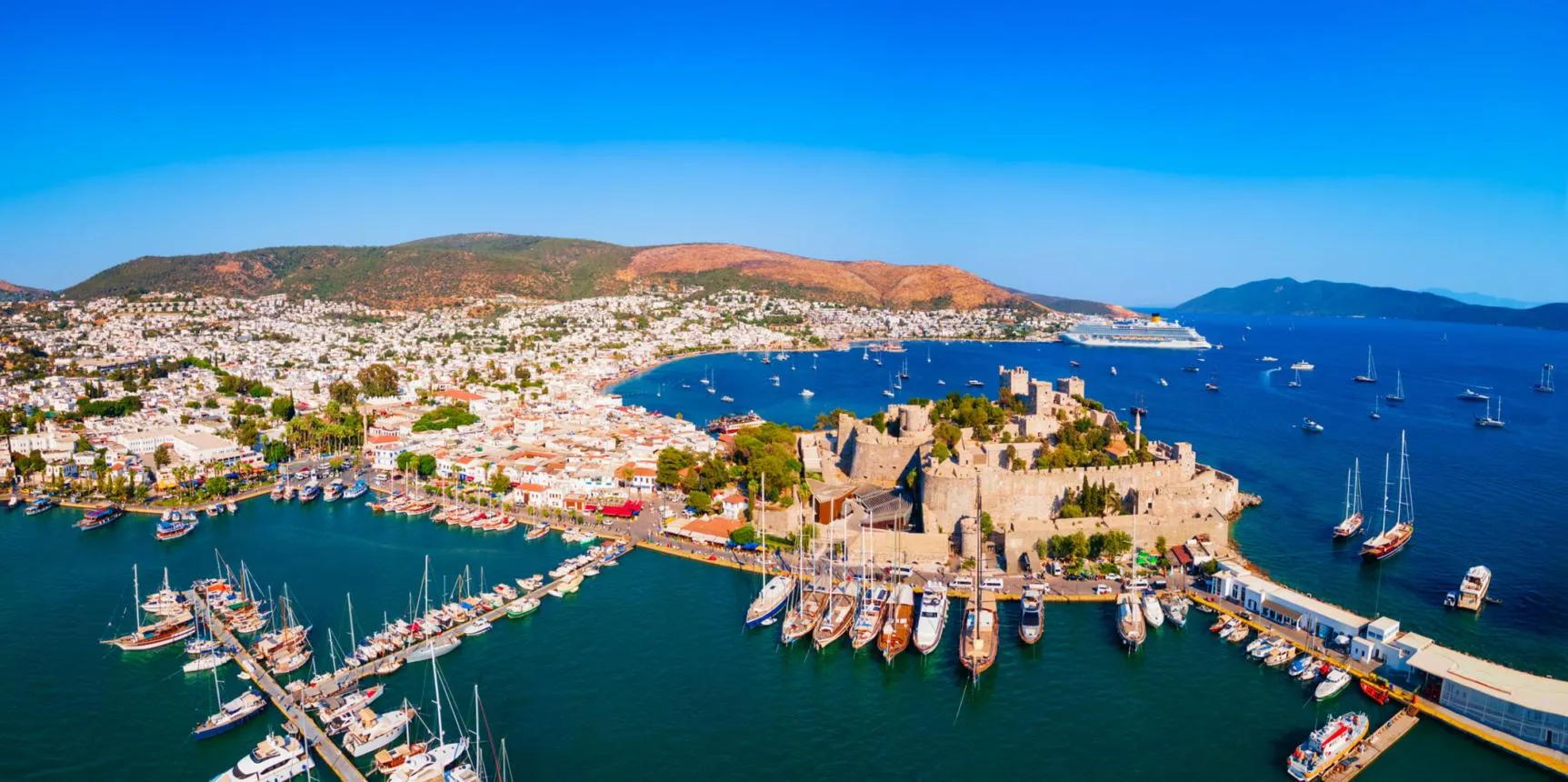
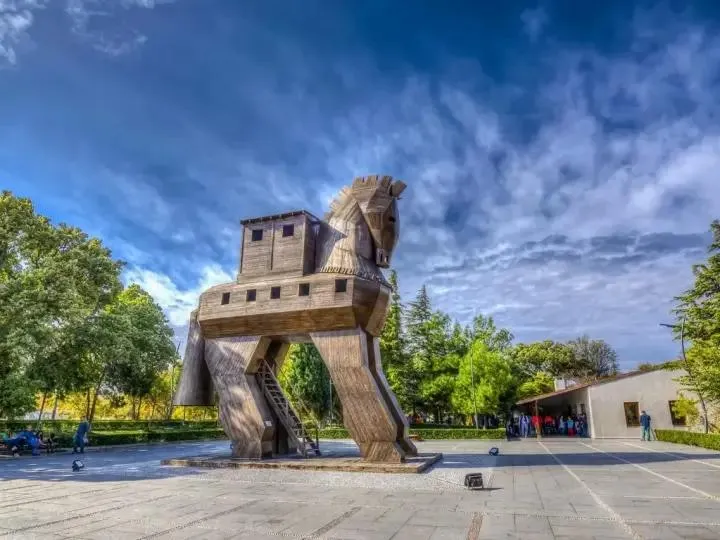
IstanbulMarmaraCappadociaCentral AnatoliaPamukkaleAegean regionAntalyaMediterranean coastBodrumAegean coastŞirinceAegean hillsAssosNorth AegeanGallipoli & TroyDardanellesKaş & KekovaLycian coastFethiyeLycian coastDalyanMuğla coastAnkaraCentral AnatoliaKonyaCentral AnatoliaSafranboluBlack Sea regionŞanlıurfa & Göbekli TepeSoutheastern AnatoliaMardinSoutheastern Anatolia
Mount NemrutSoutheastern Anatolia

Ready to explore Ephesus?

Explore Ephesus and Selçuk with a private, tailor-made tour

Ephesus and Selçuk bring together ancient history, religious heritage and the easy-going warmth of the Aegean. With a private guide and a plan built around you, you see the great monuments at their quietest and still have time for a long lunch and a village sunset.

Plan your trip